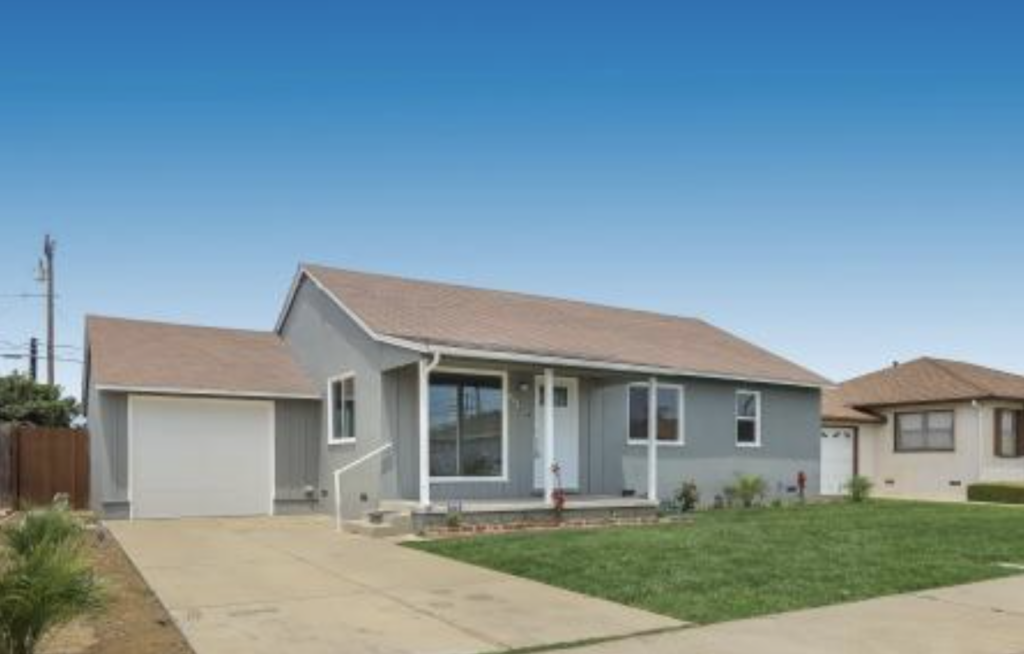
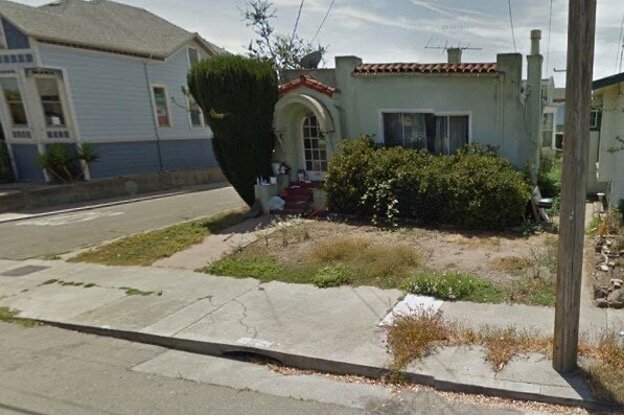
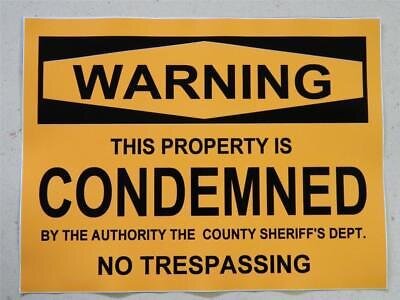
Sell Your House With Code Violations In California
We buy California houses with open code enforcement cases exactly as they sit. No repairs, no permits pulled, nothing paid out of pocket before closing. Since 2013 we’ve closed 300+ transactions statewide, including homes the city had already cited. Send us your notice and Adam or Josh will tell you where you actually stand — even if the answer is that you shouldn’t sell to us.
"*" indicates required fields
Selling A House With Code Violations in California – Quick Answer
Yes, you can sell a house with code violations in California without fixing them first. You don’t have to pay the fines out of pocket, either. You still have to disclose them. The transfer disclosure statement can’t be waived in an “as is” sale under Civil Code §1102.1(a). What actually changes your options isn’t the violation — it’s whether the city has recorded anything against title yet, and which collection method it used.
An open code enforcement case with no recorded lien will affect a conventional sale, but barely affects a cash sale. A recorded lien or special assessment changes what comes out of your proceeds at closing, and sometimes whether the debt follows the property at all. About 1 in 10 of the properties Quick Home Offers® has taken on had a code violation, from cosmetic citations to full condemnation.
If nobody from the city has contacted you and the issue is simply work done without a permit, that’s a different situation — see Code Violations vs. Unpermitted Work.
We buy houses with code violations. We’re not attorneys. Everything here comes from California statute and from our own experience closing on properties with open enforcement cases — but it isn’t legal advice, and it shouldn’t replace it. If you have questions about how to cure a violation, what you’re required to disclose, or where you stand legally, take those to a California real estate attorney. Code enforcement is also largely local, so your city’s ordinance controls the timelines, fines, and collection method that apply to your property.
Common Types of Code Violations in California
Not every code violation comes from the same rulebook. Some conditions break state law. California sets a floor for safety and habitability that applies in every city.
Others break your city or county’s own property maintenance rules, which can go further than the state minimum. Plenty of things break both — junk in the yard, a converted garage, worn-out wiring.
Which rulebook you’re under shapes how fast the case escalates and how the city collects if you never fix it. That second part can decide whether the debt follows the property after you sell.
What Makes a House Legally Substandard in California?
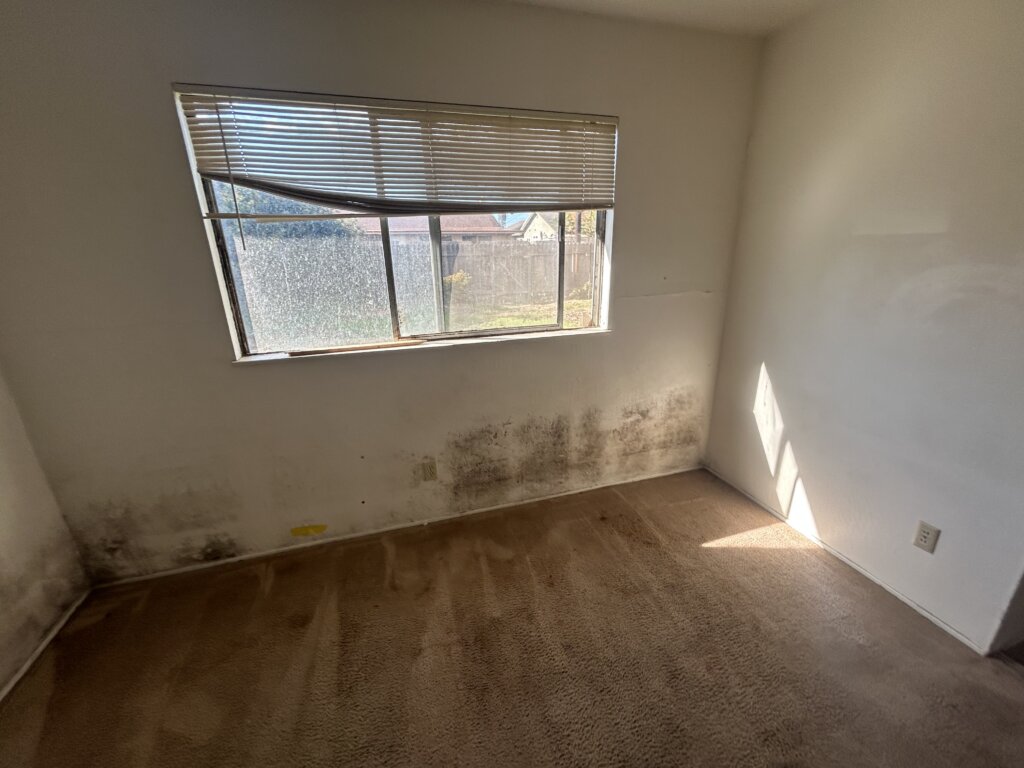
Visible mold is considered a health & safety hazard
State law has a specific name for a house with serious problems. It calls it substandard. Health and Safety Code §17920.3 has the full list. A condition only counts when it’s bad enough to put the people living there, the neighbors, or the public at risk. Here are the main items on the list.
Bad wiring. Wiring that’s broken, worn out, or not safe to use.
Bad plumbing. Leaks, missing fixtures, or plumbing that no longer works right.
Broken heating or appliances. Heating, water heaters, vents, or other mechanical equipment that is unsafe or not working.
Roof and wall leaks. Holes in the roof, rotted siding, broken windows, missing paint. Anything that lets water in.
Structural problems. Floors, walls, or roof supports that sag, rot, or can’t carry the weight on them.
No sanitation. No working toilet, sink, tub or shower, kitchen sink, or hot water.
Dampness and mold. Dampness in rooms people live in, or visible mold called out by a health officer or code officer. Minor mold on a surface built to get wet, like a shower wall, doesn’t count.
Pests. Rats, roaches, termites, or other infestation.
Fire hazards. Anything the fire chief says makes the house dangerous in a fire.
Blocked or missing exits. Not enough ways out, or exits in the wrong place.
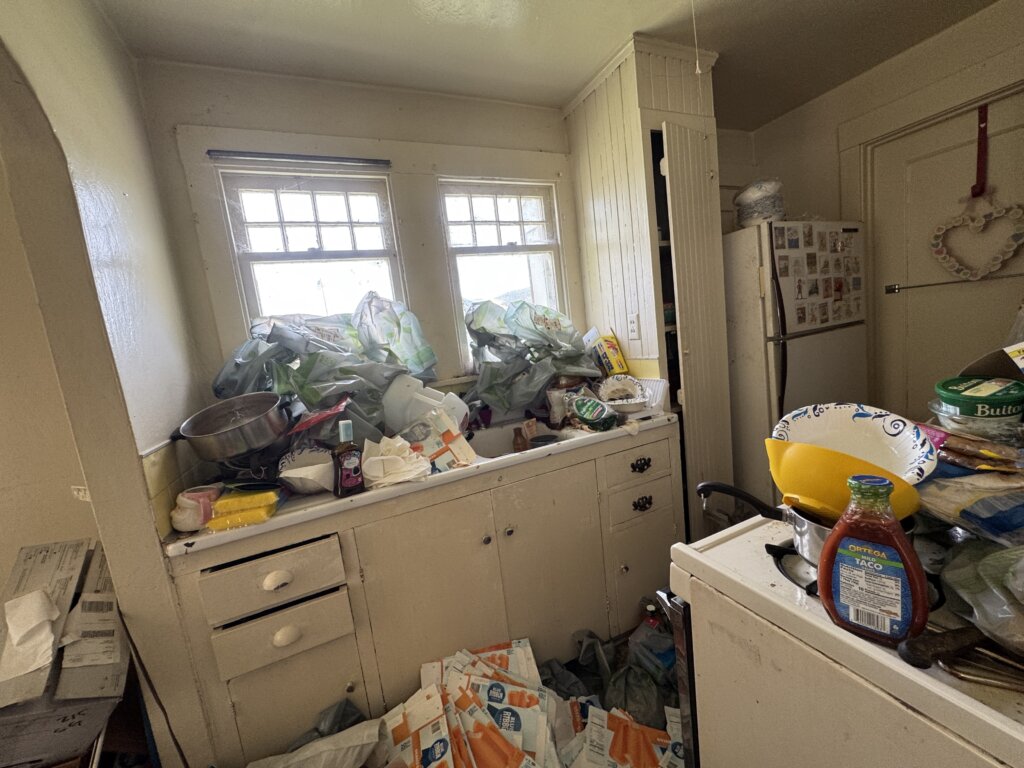
Junk and debris. Piled-up weeds, trash, garbage, or standing water that creates a fire, health, or safety hazard.
Rooms used for something they weren’t built for. A garage or shed someone is sleeping in.
Earthquake weakness. A house that can’t handle side-to-side forces.
Are Junk, Debris, and Overgrown Yards Code Violations?
Trash, debris, and junk can be a code violation in CA.
Yes, junk, debris, and overgrown yards can be code violations, and not just under your city’s rules. State law covers it too. §17920.3(j) applies to properties with piled-up weeds, junk, debris, garbage, places rats can nest, or standing water when those conditions create a fire, health, or safety hazard.
Pests are their own listed problem. A health officer can rule that a property is infested, and so can a code enforcement officer in cities that don’t have a health officer agreement.
Owners tend to assume yard and junk cases are minor. They aren’t. They escalate the same way structural cases do, and cities often collect on them through the same lien or assessment that decides whether the debt follows the property after you sell.
One rule catches people off guard. Under §17980(g), once the city finds an infestation, the abatement order has to cover any other conditions the city says caused it. A rat finding doesn’t stay a rat finding. It pulls in the junk, the debris, and the standing water behind it.
What Are Zoning and Land Use Violations?
Zoning violations aren’t about whether something is safe. They’re about whether it’s allowed to be there at all. A converted garage can have perfect wiring and still be illegal, because the zoning doesn’t permit a second unit on the lot.
Common ones in California:
An illegal unit — a garage, basement, or shed converted into separate housing on a lot zoned for one home
Setback violations — an addition, deck, or structure built too close to a property line
Occupancy limits — more units or residents than the zoning allows
Commercial use in a residential zone — a shop, kennel, or repair business run from the property
Short-term rentals where the city prohibits them
Zoning is the hardest category to resolve, because the fix usually isn’t a repair. When a converted garage has bad wiring, you can rewire it. When zoning doesn’t allow a second unit on that lot, there’s nothing to fix — the options are removing the use, applying for a variance the city may deny, or selling to a buyer who will take it on.
One thing sellers often miss: state law can reach the same space on separate grounds. §17920.3 applies regardless of zoning designation or approved use, and it lists any space occupied for living, sleeping, or cooking that wasn’t designed for it. If that occupancy endangers the people in it or the neighbors — no second way out, no permitted heat, no proper ventilation — it’s a substandard condition under state law, independent of the zoning question. A converted garage can end up with two separate cases against it: one from zoning, one from building.
Do Older Homes Have to Be Brought Up to Code Before Selling in California?
No, California doesn’t make you bring an older home up to current code before you sell it. A 1948 house doesn’t need 2026 wiring just because the rules changed. The State Housing Law protects a lot of what’s already there.
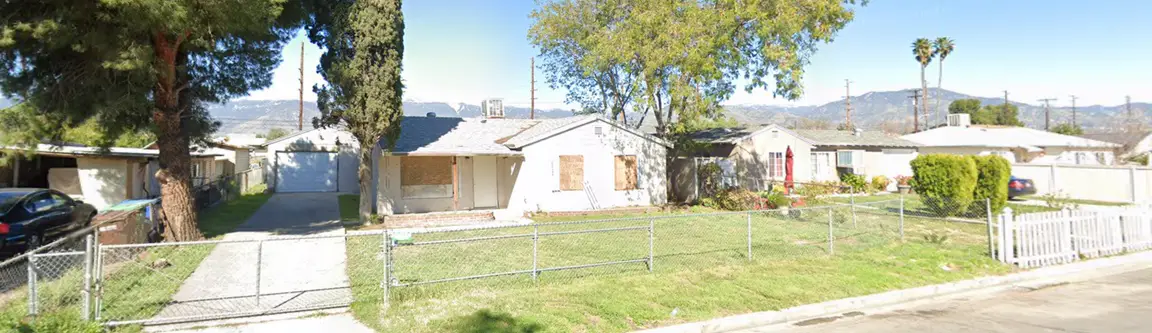
1940’s Oxnard home bought by Quick Home Offers
One thing does apply on most sales. You give the buyer a written statement that the house has a working smoke alarm, and you certify that the water heater is braced or strapped. That comes from Health and Safety Code §13113.8 and §19211. A home with a gas or oil appliance, a fireplace, or an attached garage also needs a carbon monoxide alarm under §17926. Some cities add their own checks at sale.
But that protection is narrower than most owners think. It covers age. It doesn’t cover neglect, and it can go away when you do work on the house.
Bad condition ends it. Old wiring, plumbing, and mechanical systems stay protected only while they are safe and working. Wiring that was fine in 1948 and has since gone bad is no longer protected. Not because it is old, but because it is not safe.
Remodeling can end it. Add square footage, convert a space, or move more people in, and the protection on exits and fire safety systems can go away.
Some things were never protected. Dampness, pests, rot, junk piles, and rooms lived in that were never built for it are substandard no matter how old the house is.
One protection worth knowing. A converted room that is simply too short or too small is not substandard on that alone. It is substandard only if the work broke the rules that applied at the time it was done.
What Happens After the City Sends a Code Violation Notice?
Code enforcement moves through stages. Knowing which one you’re in tells you how much time you have and which options are still open.
The Notice Period
The first notice lists the problems, points to the code sections, and gives you a deadline. Under Health and Safety Code §17980(a), the city usually has to give you 30 days’ notice to fix things before it takes formal action. It can give you less time if it decides the problem is an immediate danger to you, your neighbors, or the public. Cities also set their own deadlines on top of that, so the window you get depends on where you live.
Every notice has to carry a tax warning under §17980(e), and most owners skip right past it. Here’s what it means. It only applies to rentals. It also applies to homes left empty for at least 90 days with a serious violation that threatens public health and safety. It does not touch a home you live in and don’t rent out. Here’s when it kicks in. You haven’t made a good-faith start on the fix, or it isn’t fixed within six months of the notice (or by the notice’s deadline, if that’s later). Then the city can send you a notice of noncompliance, report it to the Franchise Tax Board, and record it against the property. From the date of that notice until the city says you’re back in compliance, you lose your California tax deductions for interest, taxes, depreciation, and amortization under Revenue and Taxation Code §17274 and §24436.5. You lose one-twelfth of them for every full month you’re out of compliance.
There’s a way out written into the law. Under §17274(d)(2), the city isn’t supposed to make that report at all if you’ve secured financing to fix the violations and have actually started the work. Not planning to. Not getting bids. Money lined up and work underway.
Once that notice is recorded, selling doesn’t erase it. Under §17274(c)(3), the lost deductions follow the property to whoever buys it until the city certifies compliance. An investor’s accountant will find it.
Talk to the code officer before the deadline runs out
This is the part most owners get wrong, and it costs them.
Many California cities and counties will extend a deadline, hold fines, or reduce penalties you already owe when you’re actively working the case. That means pulling permits, getting bids, scheduling work, or selling. Every city is different and almost all of it is up to them, so none of it is promised. But code enforcement exists to get the problem fixed. Agencies have little interest in chasing someone who is already fixing it.
There’s a legal reason this matters. A receivership under §17980.7 only comes after an owner fails to follow a §17980.6 repair order in a reasonable time. The law sets no date for that. Proof that you’re making progress is what keeps your time reasonable. An owner nobody can reach and an owner three weeks from closing are in very different spots with the same violation.
Put it in writing. Email the case officer instead of calling. Keep the thread, and get any extension confirmed in writing. If the case ever escalates, that record is your proof you were working it.
A pending sale often counts as progress. A buyer who can close fast and take on the work gets the city the outcome it wants, and many cities will hold fines while a sale is in escrow. Ask directly. Most owners never do.
What Happens if You Don’t Fix the Code Violation?
Most California cities start fines once the deadline passes. They’re often daily, and sometimes per re-inspection. Some cities also require you to request an administrative hearing within a short window if you want to contest the citation, and missing that deadline can cost you the right to dispute it at all. Your city’s ordinance sets the amounts and the hearing deadlines. If your city fines under the state’s administrative citation law, that law adds one protection. For a continuing building, plumbing, electrical, structural, or zoning problem that isn’t an immediate danger, the city has to give you a reasonable time to fix it before fines start under Government Code §53069.4(a)(2)(A).
If the conditions are serious enough, the agency can escalate under Health and Safety Code §17980.6 and issue a formal order or notice to repair or abate. The threshold matters: this step applies when the violations are extensive enough that health and safety are substantially endangered. It isn’t routine. It’s the stage that opens the door to receivership and court penalties under §17980.7.
Unresolved violations don’t sit still. As fines accumulate, they can become a lien or a special assessment against the property — which is where an enforcement case starts affecting what you actually walk away with at closing.
We Buy Houses With Open Code Cases
We buy houses, multifamily, condos, and land with open code enforcement cases as-is. Enter your number and we’ll make you an offer.
Enter your number. We’ll walk through your options — whether you sell to us or not. No fees. No obligation. Serving California since 2013.
Made a very difficult time in my family’s life a little easier.
From the moment we were in contact with Adam, things went smoothly, quickly, and very professionally. Adam was compassionate and was very sensitive to our situation. This house was looked at, sold, and went through escrow in 2 weeks!! All around was just a wonderful experience. Made a very difficult time in my family’s life a little easier.
Can the City Take Your House Over Code Violations?
You keep title, even if the property is condemned.
The city can’t take your house for the violation itself. You keep title while the case is open, even if the house has been red tagged or condemned. The risk is unpaid costs left for years. The city can foreclose a recorded nuisance abatement lien by suing for a money judgment under Government Code §38773.1(c)(3). An unpaid special assessment can end in a tax sale, and the city’s notice has to warn you the property may be sold after three years under §38773.5(c).
What the city can do is start abatement, which means repair, rehab, vacating the building, or demolition. But under §17980(c), the choice between repairing and demolishing is yours. The city also has to prefer repair whenever that makes financial sense without rebuilding more than 75% of the house. And it can’t make you move out unless it also orders repair or demolition to happen quickly.
You lose that choice in three situations. The repair isn’t done by the deadline. You don’t pick between repairing and demolishing in time. Or you pick something that can’t be finished in a reasonable period. Answering the notice and picking an option is what keeps the decision yours.
There’s one thing that can take the decision away. If you don’t follow a §17980.6 repair order within a reasonable time, the city or a tenant can ask the Superior Court to appoint a receiver over the property under §17980.7(c). A receiver takes full control. You’re still the owner, but you can’t collect rent, you can’t interfere, and you can’t sell or borrow against the property. That last part is the one that matters here. While a receiver is in place, selling is off the table. A receiver can borrow money for repairs. With court approval, the receiver can secure that loan with a lien on the property under §17980.7(c)(4)(G). With the court’s OK, a receiver can even sell the house under the powers in Code of Civil Procedure §568, which §17980.7(c)(4)(H) gives the receiver.
How Likely is Receivership in Practice?
Receivership is rare and saved for the worst cases. It takes a court petition, an attorney, and a court-appointed receiver. It’s used for properties that stay dangerous after everything else has failed, not for ordinary problems.
The properties that end up there share a pattern: severe hoarding, owners who can’t care for the property anymore because of age or illness, abandoned or bank-owned buildings, fire damage left unaddressed, deceased owners with no heirs, and years of ignored notices.
If your case is open and you’re working on it or trying to sell, you’re not in that group. The reason to know about receivership isn’t that it’s coming for you. It’s that it’s the end of the road, and it’s where selling stops being your choice.
Code Enforcement Liens vs. Special Assessments
Your city collects the cost with a lien or a special assessment. Which one it uses decides what a code enforcement case actually costs you. When a city abates a nuisance itself — hauls the junk, clears the vegetation, boards the building — it can recover that cost two different ways. Which one your city chose changes what happens at closing.
Before Any Lien: The Recorded Notice
Most sellers think there are only two possibilities: the city recorded something against your property, or it didn’t. There’s a third one in between.
If the city files a formal enforcement case over the violation, state law says it has to record a notice at the county recorder’s office under Health and Safety Code §17985(a). Not “can,” has to. It happens the day the case is filed.
You don’t owe money yet. There’s no lien. But the notice is attached to your property now, and title companies usually won’t insure a sale while a court case is pending. A sale that should take two weeks can stop cold.
When the case ends, the city has to record a notice of final disposition under §17985(b). Until then, pulling a title report is the only way to know it’s there.
The Nuisance Abatement Lien
Under Government Code §38773.1, a city can record a nuisance abatement lien against the parcel. From the date it’s recorded it carries the force, effect, and priority of a judgment lien, it’s indexed so a title search finds it, and the city can foreclose it by bringing an action for a money judgment.
For a seller, this behaves like any other recorded lien in California. It shows up on the title report and gets resolved through escrow.
The Special Assessment
Under Government Code §38773.5, a city can instead — expressly as an alternative to §38773.1 — make the abatement cost a special assessment against the parcel.
That gets collected at the same time and in the same manner as ordinary municipal taxes, subject to the same penalties and the same delinquency procedure and sale. Notably, the tax collector’s power of sale isn’t affected by the owner failing to receive notice.
The Timing Rule Most Sellers Never Hear About
On the special assessment path, timing can keep the abatement cost off the property. If you sell the house to a real buyer paying real money before the first tax installment goes delinquent, the abatement cost never becomes a lien on the property at all. It moves to something called the unsecured roll instead.
That doesn’t make the debt disappear. It changes who the city chases. Instead of going after the property, the city goes after you personally.
So what you get is a clean transfer, not a clean slate. For most sellers that’s still the better trade. An assessment sitting on title is what slows down escrow and drags down what a buyer will pay. Just know which one you’re getting.
This only works on the special assessment path. There’s no version of it under §38773.1. Once a nuisance abatement lien is recorded, it works like a court judgment against the property, and selling doesn’t wipe it out.
Three Questions to Ask Your Code Enforcement Department
So call your code enforcement department and ask three questions:
Is my property inside city limits, or in an unincorporated area? Ask this one first, because it changes everything after it. Cities work under one law and counties under another, and the rule flips.
A county can put the cost on your tax bill and record a lien. If it recorded a lien, selling early doesn’t help you — that lien stays with the property. The early sale escape only works when nothing was recorded. Your property tax bill shows whether there’s an assessment. A title report shows whether a lien was recorded.
Is this a lien or a special assessment? A recorded lien sticks to the property. A special assessment may not, if you close in time.
If it’s a special assessment, when does the first installment go delinquent? That date is your deadline.
Both laws say a city or county may adopt these by ordinance, so the answer depends on where your house sits, not on a statewide rule. Charter cities like Los Angeles, San Diego, and Bakersfield write their own rules on top of that. Confirm the process with your jurisdiction instead of assuming.
What Code Violations Actually Cost You Beyond the Fines
The fines are the visible cost, and usually the smallest one. What actually determines the number is harder to pin down — starting with the fact that most of what you’ll read about it is made up.
Why “10 to 20% off” Is a Made-Up Number
Search this and you’ll get a number. The problem is you’ll get a different number depending on which page you land on — 5 to 20%, 10 to 25%, 20 to 40%, 40 to 70%.
Those ranges overlap and contradict each other, and not one of the sites quoting them cites a study, a dataset, or any source at all. The figures get repeated from page to page until they start to look like data. The mechanism behind those numbers is real. Code violations do reduce what a property sells for. They restrict financing, shrink the buyer pool, and get priced into offers as repair deductions. That part is true and it’s covered below. What’s invented is the percentages.
Here’s why a percentage can’t work. A missing smoke detector and an unpermitted second unit on a lot zoned for one home are both code violations. One costs a few hundred dollars to cure. The other may have no cure at all. A range that covers both describes neither.
What actually sets the number on your property:
Whether the violation is curable, and what curing it costs. A repair with a written bid is a known deduction. An uncurable zoning problem is a different category entirely.
Whether it blocks financing. A violation that stops a conventional loan doesn’t shave a percentage off your price — it removes most of the buyers who would have competed for the house.
Whether anything is recorded against title. An open case with nothing recorded is very different from a nuisance abatement lien sitting on the title report.
What the property is worth to begin with. The same $40,000 of work is a rounding error on one property and a deal-killer on another.
Anyone quoting you a percentage without looking at the property is guessing. If a buyer, an agent, or a website hands you a number like that, ask what it’s based on. There’s no honest answer that isn’t specific to your address.
Your buyer pool shrinks
This is the real expense. Most traditional buyers need a mortgage, and conventional loans, FHA loans, and VA financing all come with property condition rules the house has to clear before a lender will fund.
Serious violations — structural concerns, hazardous wiring, missing exits, an illegal unit — will often stop conventional financing outright. Minor violations usually won’t, but they still show up in the inspection report and become negotiating leverage. Either way, a house with code violations competes for a smaller pool of potential buyers than the same house down the street that’s up to code.
That’s the mechanism behind almost everything else in this section. The violation itself isn’t what costs you. The shrinking buyer pool is.
The repair-or-credit math
Once a buyer’s home inspection surfaces the issue, you’re generally choosing between three paths: fix it, offer repair credits, or sell the property as-is and price for it.
In our experience, credits cost more than doing the work yourself — but you’re buying something with that money. A credit removes a point of friction and gets the transaction done faster. It also transfers the risk: if you do the work and the buyer doesn’t like how a particular job was done, you’ve opened yourself up to a second round of negotiation, or to issues after closing if it wasn’t done correctly.
The caveat is that buyers tend to price the fix at the upper end of what’s reasonable. They’re pricing uncertainty along with the work, and under a home inspection contingency they’re doing it from a position where they can walk.
So get your own bid before you agree to anything. Compare it against what’s being asked, and negotiate from there. Without real numbers you’re negotiating against a figure the buyer invented, and you have no basis to push back on it.
Fixing it means a licensed contractor, permits pulled through your local building department, and inspections signed off. Repair costs on code items run wide depending on what’s involved, but a cleared violation reopens the buyer pool — which is usually worth more than the repair itself.
The exception is when you can’t fund the work, can’t wait out the timeline, or the violation is one repairs don’t cure. That’s when as-is becomes the better math rather than the fallback.
The tax cost, if it’s a rental or vacant
This one only applies to rentals, and to homes left empty for at least 90 days with a serious violation that threatens public health and safety. It starts once the agency sends a notice of noncompliance. When it applies, it’s the cost sellers miss entirely.
From the date of that notice, you lose the California tax deduction for interest, taxes, depreciation, and amortization on the property. It’s prorated at one-twelfth for each full month out of compliance. It doesn’t reset at closing.
Under §17274 the disallowance follows the property to whoever buys it, until the agency certifies compliance. That means an investor buyer’s CPA will find it during diligence and price it, which is a good reason to put it on the table yourself rather than let it surface late.
Your Options: Fix, Offer a Credit, or Sell As Is to a Cash Buyer
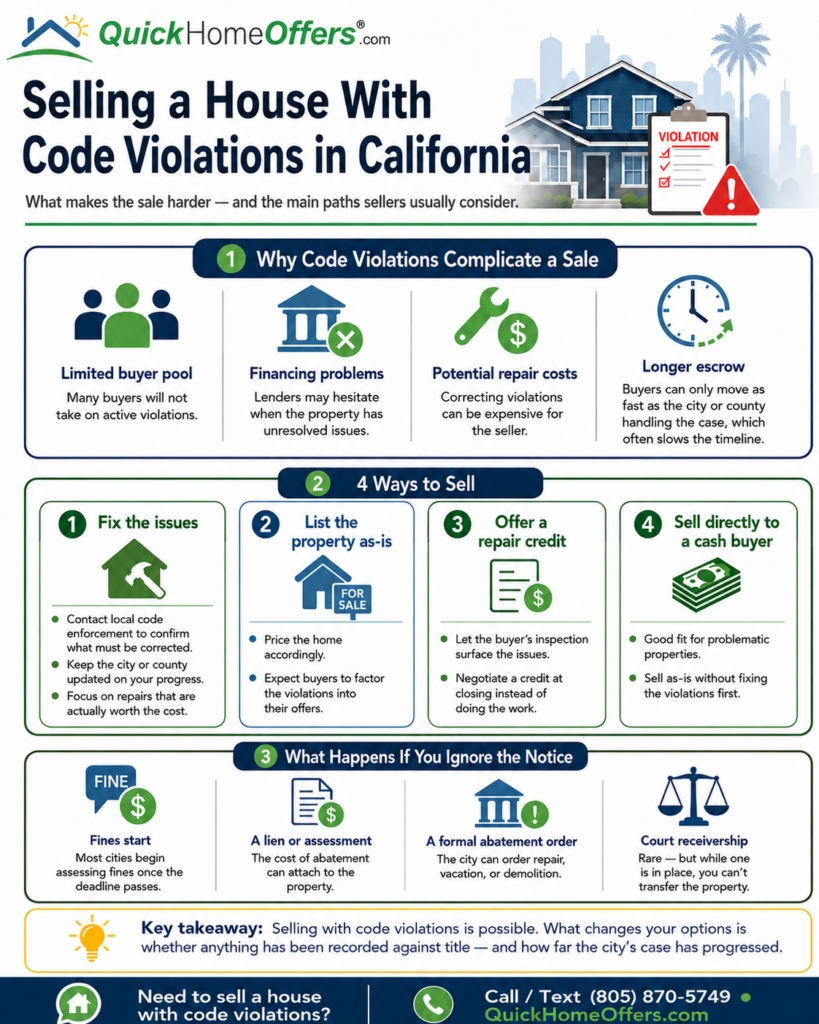
There are four real paths for a house with code violations in California. Which one fits depends on three things: whether the violation is curable, whether you can fund the cure, and how much time the city has given you. For more comparison questions, visit our Comparison Page.
Swipe the table sideways to compare all four options →
Four ways to sell a California house with code violations
Fix, then list
List as is
List + repair credit
Cash sale as is
Money up front
Yes — repairs and permits
No
No
No
Typical timeline
Repairs, then the listing period
Listing period, often longer
Listing period
7–30 days
Buyer pool
Full
Near full if the violation is minor; narrows sharply as severity rises
Near full if the violation is minor; a credit doesn’t restore financing
One buyer
Financing available
Yes
Only if the violation doesn’t block it
Only if the violation doesn’t block it
Not needed
Do fines keep running?
Until the case is closed
Yes
Yes
Until closing
Handles serious or structural violations, or a lien that can’t clear before closing
No — the case has to close first
Rarely
No — a credit doesn’t clear a lien
Yes
Where you usually net most
Highest
Varies
Varies
Lowest
Fix the violations, then list
Cure the conditions, pass re-inspection, close the case, and sell the property as a clean listing.
This nets the most when it works. A cleared violation reopens the buyer pool, and you go back to competing for every buyer instead of the few who’ll take on a problem. You’re also paying a contractor’s price rather than a buyer’s estimate of one.
It works when the violation is curable, you can fund the work, and the compliance timeline gives you room. It falls apart when any of those three are missing.
Best for: code violations that are relatively easy to address, owners with the means and time to resolve the violations.
List as is and disclose
Put the house on the market in its current condition with the violations fully disclosed and the price set to reflect them.
You’ll reach some traditional buyers here — the ones paying cash or willing to take on the work. But serious violations often block conventional loans, FHA loans, and VA financing, so a lot of your potential buyers are gone before they see the listing.
The real risk on this path is time. Fines usually keep accruing while the house sits, and the pool that can actually close on a property as is is small enough that a slow market gets slower.
Best for: relatively minor violations, properties that still qualify for conventional financing, properties in move-in ready condition, owners who do not want to deal with contractors.
List and offer a repair credit
List it, let the buyer’s inspection surface the issues, and negotiate a credit at closing instead of doing the work.
This buys speed and removes friction, and it transfers the risk of a job the buyer doesn’t like. It costs more than doing the work yourself, and it doesn’t solve the financing problem — a lender that won’t fund on an active violation still won’t fund on one with a credit attached.
Best for: relatively minor violations, properties that still qualify for conventional financing, properties in move-in ready condition.
Sell the property as is to a cash buyer
An as is sale to a cash buyer or investor takes the property in its current condition, with the open case, the accrued fines, and any recorded lien still attached.
There’s no lender, so none of those condition rules apply and no appraiser has to sign off. Nothing gets paid out of pocket — recorded liens are handled through escrow at closing. And it’s the only path that works when the violation isn’t curable at all, like an illegal unit on a lot zoned for one home.
The trade-off is straightforward: you’ll net less than a fully repaired listing. A cash buyer prices in the repair costs, the permitting, the holding time, and the risk that the city’s file contains more than the notice showed.
That trade is worth it when you can’t fund the work, can’t wait out the timeline, the violation has no cure, or the fines are growing faster than the delay is worth. It isn’t worth it when the property is financeable, the fix is affordable, and you have time. If that’s your situation, list it — we’ll tell you so.
Best for: properties with more serious violations, properties that have other issues than code violations such as deferred maintenance, properties that have code enforcement liens, properties that are not move-in ready.
Do You Have to Disclose Code Violations When Selling in California?
Yes, you have to disclose code violations when you sell in California. Selling as is doesn’t change that. California’s Legislature said so directly in Civil Code §1102.1(a): delivery of a real estate transfer disclosure statement may not be waived in an “as is” sale.
“As is” describes the condition the buyer is accepting. It doesn’t mean you can withhold what you know about the property, and code violations are squarely in that category. You’re telling the buyer you won’t be making repairs. You’re not telling them you’ll be keeping material problems to yourself.
What goes on the transfer disclosure statement (TDS)?
The Transfer Disclosure Statement covers residential property of one to four units and asks about known material defects. Open code enforcement cases, notices of violation, accrued fines, recorded liens or special assessments, and unpermitted work are all material. If the city has sent you something with a case number on it, it belongs on the form.
If a previous owner did the work and you’re not certain what the city has on file, a permit search at your local building department tells you. Pull the permit history before you list rather than after a buyer’s inspector finds the gap.
Some transfers are exempt — and several are common here
Civil Code §1102.2 exempts a list of transfers from the TDS requirement, including several that show up constantly on properties with violations:
Court-ordered transfers, including sales ordered by a probate court in the administration of an estate
Foreclosure sales, transfers from a borrower in default to the lender, and subsequent sales by a lender that took the property back
Transfers by a bankruptcy trustee, by eminent domain, or under a writ of execution
Fiduciary transfers by a trustee, guardian, or conservator administering a trust or estate — with one exception. If you are a natural person serving as trustee of a revocable trust, and you either used to own the property or lived in it within the past year, §1102.2(d) takes the exemption away and the TDS is required. The adult child who moved in to care for a parent and then became successor trustee is the common version. Executors and administrators of a decedent’s estate keep the exemption
Transfers to or from a government entity, and transfers between co-owners
Note that exemptions do not allow you to conceal actual issues.
Code Violations vs. Unpermitted Work: What’s the Difference?
A code violation and unpermitted work are not the same thing, and the difference determines what you’re actually dealing with. Unpermitted work is a records problem. A code violation is an enforcement problem.
Unpermitted work means something was built, altered, or converted without a permit. Nothing is wrong with the property in the eyes of the city until someone looks and decides it’s worth pursuing. There’s no case, no deadline, and no one is waiting on you. The issue is a gap between what exists and what the local building department has on file.
Swipe the table sideways to compare →
How unpermitted work and code violations differ in California
Unpermitted work
Code violation
What happened
Work was done without a permit
The city inspected the property and cited it
Who started it
The owner, or a prior owner
The enforcement agency, usually after a complaint
Where it lives
A gap in the building department’s permit history
An open code enforcement case with a case number
Is there a deadline
No — it can sit untouched for decades
Yes, with fines accruing in most California cities
Does it touch title
No
Only if the city records something: a court case notice, a tax notice on a rental, a lien, or a special assessment
How you find out
Permit search, appraiser, buyer’s inspector, or presale report
Cure the condition, pass re-inspection, close the case
Here’s the Test: If someone from the city, county, or building jurisdiction has sent you a notice with a case number, that’s a code violation. If no one has contacted you and you simply have building records that don’t match what’s in the house, that’s potentially unpermitted work.
If your situation is unpermitted work rather than active enforcement, the retroactive permit process, what it costs, and how to find out what’s on file are covered in detail here: Sell a House With Unpermitted Work in California →
Where We Buy Houses With Code Violations in California
Code enforcement is local, so what happens next depends on which jurisdiction sent the notice. Compliance windows, fine schedules, hearing procedures, and whether your city uses a nuisance abatement lien or a special assessment are all set by local ordinance. Two houses with identical violations in neighboring cities can be on completely different tracks.
We buy statewide in California, and some areas include:
Ventura County — Ventura, Oxnard, Thousand Oaks, Camarillo, Simi Valley, Santa Paula, Fillmore, Ojai, Oak View, Port Hueneme, Moorpark
Los Angeles County — Los Angeles, Long Beach, Lancaster, Palmdale, Pomona, Whittier, Canoga Park, the San Fernando Valley, the Antelope Valley
Kern County — Bakersfield, Oildale, Delano, Taft, Tehachapi, Ridgecrest
San Bernardino County — San Bernardino and the Inland Empire, Fontana, Ontario, Rialto, Rancho Cucamonga, Victorville, Hesperia, Upland, Redlands
Riverside County — Riverside, Moreno Valley, Menifee, Hemet, Corona, Temecula
San Diego County — San Diego, Chula Vista, Oceanside, Escondido, El Cajon, Vista, National City
Central Valley — Fresno, Clovis, Modesto, Stockton, Visalia, Madera
Sacramento Region — Sacramento, Elk Grove, Roseville, Citrus Heights, Rancho Cordova
Solano County — Vacaville, Fairfield, Suisun City
Bay Area — Oakland, San Jose, Vallejo, Richmond, Antioch, Concord, Hayward, Santa Rosa
Central Coast — San Luis Obispo, Paso Robles, Atascadero, Grover Beach
What to send us for an offer:
The notice or citation, including the case number
Photos, if you have them — not required for an offer, but they get you a more accurate number
The recording date of any lien or special assessment, or a copy if you have one.
If you don’t have these items, don’t worry. We can help you find them. That’s usually enough for us to give you a real number and tell you which of the four paths above actually fits your situation. If the answer is that you’d net more listing it, we’ll say so.
Frequently Asked Questions: Selling a House With Code Violations in California
Q: Can you sell a house that has an active code enforcement case?
Yes, you can sell a house with an active code enforcement case. The case doesn’t block a sale or cloud title on its own. But if the city files a court case over it, state law says a notice has to be recorded against your property. That does cloud title. Short of that, an open case mostly narrows who can buy.
A lender won’t fund a house that fails its condition rules, so serious violations push you toward cash buyers. Two things change that. If the city recorded a lien or a special assessment, it now touches title and has to be cleared through escrow. And if a receiver has been appointed, you can’t transfer the property at all until the receivership ends. Otherwise, violations affect your price and your buyer pool, not your right to sell.
Q: Can you sell a house that is not up to code in California?
Yes, you can sell a house that isn’t up to code in California. You don’t have to fix it first or pay the fines out of pocket. What changes your options is whether anything has been recorded against title, and which collection method the city used.
Q: Can I sell a house with a recorded code violation lien in California?
Yes, you can sell a house with a recorded code violation lien in California. The lien doesn’t prevent a sale; it just has to be dealt with at closing. Most liens are paid from your proceeds through escrow, the same way a mortgage payoff works. Code enforcement liens are sometimes different — a few jurisdictions won’t release one until the physical condition is actually cured, which can require an escrow holdback instead of a straight payoff.
Q: Do I have to pay the fines before I can sell?
No, you don’t have to pay code violation fines out of pocket before you sell. Accrued fines and any recorded lien are typically settled through escrow from your sale proceeds. If there’s not enough equity to cover them, that’s a different conversation, and it’s worth having before you list.
Q: Will a code violation stop me from selling to a regular buyer?
Sometimes a code violation will stop a sale to a buyer who needs a loan. FHA and VA loans have minimum property requirements. Conventional loans require the house to be safe, sound, and structurally secure. If the house fails, the lender won’t fund it. Small violations usually don’t trigger that. Serious ones often do. Think structural problems, unsafe wiring, missing exits, or an illegal unit.
Q: Can I fight a code violation citation?
Usually you can fight a code violation citation. The window is short, though. Most California cities make you ask for a hearing within a set number of days of the citation. Miss that date and you can lose the right to fight it. Your city’s ordinance sets that deadline, so check it as soon as the notice arrives. If your city fines under the state’s administrative citation law, you then have 20 days after the city serves its final decision to appeal to superior court under Government Code §53069.4(b)(1).
Q: What happens if I just ignore a code violation notice?
Escalating fines first, usually daily. Then the cost of abatement can become a lien or a special assessment against the property. Left unpaid for years, either one can end in a forced sale. The city can foreclose a recorded lien in court, and an unpaid assessment can go to a tax sale. In serious cases the agency can seek a court-appointed receiver, and at that point the owner is barred from transferring the property at all. Ignoring it doesn’t make it go away — it removes options.
Q: Do I have to tell the buyer about code violations?
Yes, you have to tell the buyer about code violations, and selling as is doesn’t change that. California Civil Code §1102.1(a) states the Legislature’s intent that a transfer disclosure statement cannot be waived in an “as is” sale. Open cases, notices of violation, accrued fines, recorded liens, and unpermitted work are all material facts. Failing to disclose is how a closed sale turns into a lawsuit.
Q: Is a code violation the same as unpermitted work?
No, a code violation isn’t the same as unpermitted work. Unpermitted work means something was built without a permit and the city may never have noticed. A code violation means an agency has inspected the property and cited it — there’s a case number and a deadline. Unpermitted additions can become code violations if the city finds and cites them.
Q: How fast can you close on a house with an open code enforcement case?
Most of our sales close in 7 to 30 days. Our offers are all cash with no financing contingency, so your sale never waits on a loan approval or an appraisal.
The variable isn’t us — it’s your jurisdiction. Escrow needs a payoff demand or a compliance status from the city before it can clear a recorded lien or assessment, and turnaround on that request varies enormously. Some departments respond in a day. Others take 5 to 10 business days, and a few take longer. That’s the piece nobody controls.
You can shorten it. Request the demand or the case status from code enforcement as soon as you’re considering a sale, rather than waiting until escrow opens. Having that number in hand before you’re under contract removes the most common source of delay.
Q: Should I use a real estate agent or sell to a cash buyer?
It depends on the violation. If the property still qualifies for financing and the fix is affordable, a real estate agent will almost always net you more — cure the violation, close the case, and list it. If the violation blocks financing, can’t be cured, or the fines are outpacing the delay, a fair cash offer from an investor who purchases properties in that condition may be the better math. We’ll tell you honestly which one you’re in.
Sell Your California House With the Code Case Still Open
You’ve seen what the fines do and how the liens attach. If you’d rather hand the problem to a buyer than spend the next six months working it, we’ll make you a cash offer on the house exactly as it sits. No repairs, no permits, no fines out of pocket. We’ve closed 300+ California properties since 2013.
…not everybody can make the process so concise, smooth, and painless…
Thank you so much to the wonderful team at Quick Home Offers! Anybody can buy homes, but not everybody can make the process so concise, smooth, and painless. Communication is top-notch! Will recommend.
About the Authors & Quick Home Offers®
Josh Justiniano
Adam Justiniano
Josh runs underwriting and project management at Quick Home Offers. He builds the repair scopes and cost analysis behind every offer, which means he prices what it actually takes to close out a code enforcement case — permits, retroactive inspections, and the work the city will accept. He co-founded the company with his brother Adam in 2013.
Adam has been buying California houses since 2013 and has handled the seller side of more than 300 transactions across Ventura, Kern, Los Angeles, and the Central Coast. He’s the one who walks the property, reads the notice, and calls the code officer. Most of the situations on this page — open cases, accrued fines, red-tagged houses, sellers who’ve been avoiding the mail for six months — he’s sat across the kitchen table from. Reach him directly at (805) 870-5749.