To sell a house as-is in California, you disclose the home’s known condition on a Transfer Disclosure Statement, price it for its current state, and choose how to sell: to a cash buyer who can close in about 7 to 14 days, through an agent listing, or on your own. As-is means you are not required to make repairs, but it does not waive your legal duty to disclose defects you already know about. Compare the three paths on net proceeds after repairs, commissions, and holding costs, not on list price, since the highest sticker number does not always leave you with the most money.
Buying houses across California as-is for cash since 2013 — 300+ closed.
No repairs, no commissions, no fees. Call or text (805) 870-5749 for a free, no-obligation offer.
Enter your number. We’ll walk through your options — whether you sell to us or not. No fees. No obligation. Serving California since 2013.
What “As Is” Actually Means in California Real Estate
In California, almost every residential sale is technically an “as is” transaction. The California Association of Realtors’ standard Residential Purchase Agreement states that the property is delivered “as is in its present physical condition as of the date of acceptance.” That language is built into the boilerplate contract, whether the home is a brand-new construction or a 70-year-old fixer with a failing roof.
What makes a sale feel like an “as is” deal — the kind most people picture when they hear the phrase — is when the seller makes it clear upfront that they will not negotiate repairs, offer credits, or make improvements of any kind. The buyer is welcome to inspect, but the seller’s position is: this is the price, this is the condition, take it or leave it.
This does not mean the buyer must move forward with the “as-is” sale. The buyer can still request credits, repairs, or concessions — and the seller can still refuse them. The ‘as is’ label sets expectations, but it does not remove either party’s right to negotiate.
California Disclosure Requirements for As-Is Sales
Selling as-is does not eliminate your disclosure obligations. California law requires you to tell the buyer what you know about the property’s condition. You do not have to hire inspectors or go looking for problems; you just have to be honest about what you already know.
Transfer Disclosure Statement (TDS) — Civil Code §1102
The TDS is the most important disclosure document in any California residential sale. It requires sellers to identify known problems across dozens of categories, including structural issues, plumbing, electrical, roof condition, environmental hazards, and more. You fill it out based on what you actually know.
The standard advice from real estate attorneys is simple: when in doubt, disclose. Over-disclosing protects you. Under-disclosing exposes you to litigation that can cost far more than any repair.
Other Required Disclosures
California sellers must also provide a Natural Hazard Disclosure Statement identifying whether the property sits in a flood, fire, earthquake, or seismic hazard zone (Civil Code §1103). Most sellers hire a third-party company to generate this report, which typically costs $75 to $150. For homes built before 1978, federal law requires a lead-based paint disclosure form and the EPA pamphlet “Protect Your Family From Lead in Your Home.”
Newest on the disclosure list: since January 1, 2026, sellers must also disclose in writing any known residue from tobacco or nicotine products, and any known history of occupants smoking or vaping in the home.
When you sell to Quick Home Offers, we handle the NHD report and provide the lead paint forms as part of the closing process.
Exemptions — Probate Sales, Trust Sales, and Court-Ordered Transfers
Not every seller is required to complete the full TDS. California Civil Code §1102.2 exempts several types of transfers from the statutory disclosure requirements, including court-ordered sales (such as probate), transfers by a fiduciary administering an estate, foreclosure sales, and transfers between co-owners.
In these cases, an Exempt Seller Disclosure form can be used instead. However, the exemption applies to the form, not to the duty of honesty — sellers are never exempt from disclosing known material defects under California common law.
How Quick Home Offers® Handles Disclosures for Sellers
We provide the TDS, the Exempt Seller Disclosure form if applicable, and any other required paperwork. You fill them out based on what you know. Most sellers complete them in under fifteen minutes. If you have questions about any legal documents, we recommend consulting a real estate attorney and are happy to refer you to one.
Who Buys Houses As-Is in California?
Not every buyer is willing to take on a property that needs work. Understanding who is actually in the market for as-is homes helps you set realistic expectations and choose the right selling path.
Cash Home Buyers and Real Estate Investors
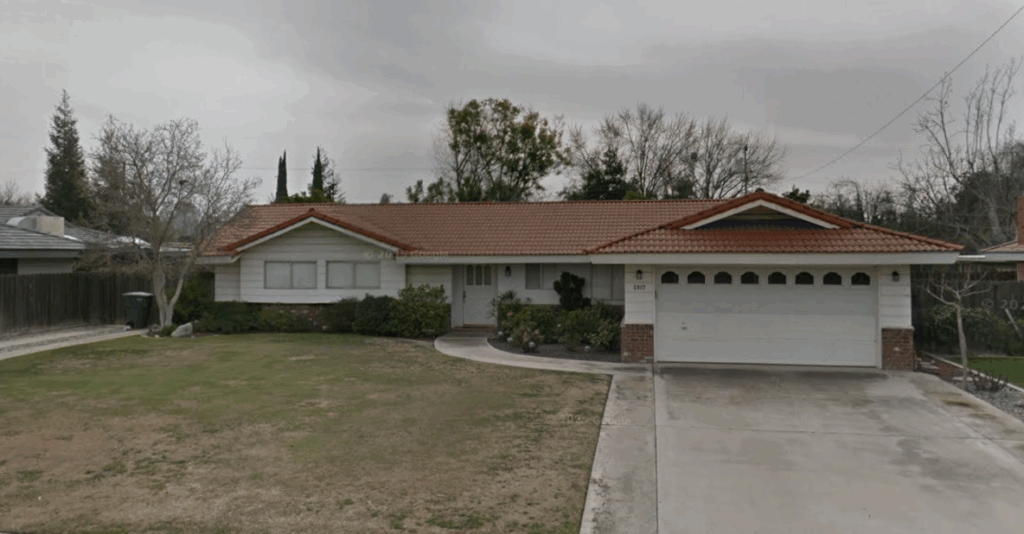
Quick Home Offers® remodeled this house in Ojai, CA.
Cash home buyers and real estate investors are the primary market for as-is property in California. These are companies or individuals who purchase homes directly from sellers, typically without requiring inspections, appraisals, or lender approval. Because they are using their own funds, they can close in as little as 7 to 14 days and are not restricted by the minimum property standards that banks require for financed purchases.
Cash buyers generally fall into two categories. Some are buy-and-hold investors who plan to rehab the property and rent it out. Others are house flippers who renovate and resell for a profit. In both cases, these buyers expect to purchase below what a fully updated home would sell for because they are taking on the full cost and risk of repairs. The discount they ask for is not arbitrary — it reflects the actual repair costs, holding costs, and the uncertainty of what they might find once they open up walls or pull permits. Flippers tend to be pickier about upside potential, while buy-and-hold investors evaluate deals on long-term rental income, which is difficult to achieve in California.
iBuyers — When They Will Buy and When They Will Not
iBuyer companies use automated valuation models to make instant offers on homes, often within 24 to 48 hours. However, most iBuyers have strict criteria that exclude the types of properties typically sold as-is. They generally require homes to be in fair to good condition, built after a certain year, within specific price ranges, and located in metropolitan areas where their algorithms have enough comparable data.
If your home has significant structural issues, deferred maintenance, code violations, or is in a rural area, most iBuyer platforms will decline to make an offer. They are designed for move-in-ready or light-cosmetic-fixer homes, not properties that need serious work.
Even when an iBuyer does make an offer, sellers should look carefully at the net proceeds. iBuyer service fees typically range from 5 to 15 percent of the sale price, and many also deduct repair credits after their own inspection — sometimes tens of thousands of dollars.
By the time you subtract the service fee, repair deductions, and closing costs, the net to the seller can end up lower than a straightforward cash offer from a direct buyer who charges no fees and makes no post-inspection deductions. The headline offer number looks attractive, but the final closing statement is where the real comparison happens.
Traditional Buyers Using FHA 203(k) or Conventional Loans
A small segment of traditional buyers will consider an as-is property that needs repairs if they can finance both the purchase and the repairs through a renovation loan like the FHA 203(k) or Fannie Mae HomeStyle program. These loans roll the cost of repairs into the mortgage, allowing the buyer to purchase a fixer-upper with a low down payment.
The catch is that these loans come with significant requirements. The property must still meet minimum health and safety standards, the repairs must be completed by licensed contractors, and the entire process is managed through the lender with inspections at every stage. Closing timelines for renovation loans typically run 45 to 60 days or longer — far slower than a cash sale.
More importantly, the pool of buyers actively using these programs is very small. Most buyers either do not know these loans exist or do not want to deal with the added complexity. Listing your as-is property that needs repairs and waiting for the right 203(k) buyer to come along can mean months (or longer) on the market with no offers, multiple price reductions, and growing carrying costs — all while your property sits vacant and continues to deteriorate.
For home sellers looking for an instant cash offer, or whose property has issues that fall below minimum lending standards, banking on a renovation loan buyer is a high-risk strategy with low odds of a timely close.
Your Selling Options Compared: Agent, Cash Buyer, or FSBO
Many sellers assume that selling as is means selling to a cash buyer, but that is not your only option. You can list an as-is property on the open market with a real estate agent, sell directly to a cash home buyer, or try selling on your own as a for-sale-by-owner. Each path comes with different tradeoffs in price, timeline, fees, and effort.
Listing With a Real Estate Agent on the Open Market
Listing as is with a real estate agent puts your home on the MLS, where it is visible to the full buyer pool — traditional buyers, investors, and cash buyers alike. This approach typically nets the highest sale price because you are creating competition among buyers. However, it also comes with agent commissions (typically 5 to 6 percent of the sale price), longer timelines (30 to 90 days or more), and the possibility that buyers will request a home inspection, discover problems, and either renegotiate the price or walk away entirely.
Some sellers choose to order a pre-listing inspection before going to market. This can help you understand the full scope of work the property needs, which makes it easier to price accurately and negotiate from a position of knowledge rather than guessing. The tradeoff is that once you have an inspection report in hand, you are legally required to disclose everything it reveals — including problems you may not have known about before. That can work for you or against you, depending on the situation.
Even in an as-is listing, buyers retain their inspection rights and their right to request repairs or credits. The as-is label signals your intent not to make repairs, but it does not eliminate the inspection contingency unless the buyer explicitly waives it — and most traditional buyers will not waive it. This means you may go through weeks of showings and negotiations only to have a deal fall apart when the inspection report comes back.
For sellers with a home that needs only cosmetic work and has time to wait, listing with a real estate agent on the open market can make sense. For sellers dealing with significant repairs, title issues, or a property that will not qualify for traditional financing, listing on the MLS often leads to wasted time and failed escrows.
One thing sellers should be aware of is a practice sometimes called “buying the listing.” This is when an agent tells you they can sell your home at a price significantly higher than what other agents or cash buyers are quoting — not because they have a buyer at that price, but because they want to secure your listing over the competition.
The inflated price gets you in the door, but 30 to 60 days later, when the home has not sold, the agent recommends a price reduction. Then another. By the time the property actually sells, you have spent months on the market, paid carrying costs the entire time, and may end up netting less than you would have with the original cash offer you turned down. Not every agent does this, but it happens often enough that sellers should ask pointed questions about how an agent arrived at their suggested list price and request comparable sales data to back it up.
Selling Directly to a Cash Home Buyer
Quick Home Offers® bought this property “as-is” in Southern CA.
The price you receive from a cash home buyer reflects a different type of transaction — one where the buyer is taking on all repairs, closing costs, and risk. When contacting us to get you an offer, Adam Justiniano will visit your property to assess its condition, answer your questions, and explain the process before providing the offer.
What matters is the net you walk away with after everything is subtracted. Many sellers are surprised to find that after agent commissions, buyer repair credits, holding costs during months on the market, and seller-paid closing costs, they net the same or sometimes more through a direct cash sale than they would have through a traditional listing.
What you gain beyond the net is speed, certainty, and simplicity. No agent commissions, no repair negotiations, no staging, no waiting for a buyer’s loan to clear. For many sellers dealing with an inherited property, a home with liens, or a house they simply cannot afford to fix, selling to a cash buyer is the fastest and least stressful path to closing.
For Sale By Owner (FSBO)
Selling as is by owner eliminates agent commissions, but it puts the entire process on your shoulders — pricing, marketing, showings, negotiations, disclosures, and managing escrow. Most FSBO sellers underestimate the time and legal complexity involved, particularly when selling a house as-is that needs repairs, where disclosure requirements and buyer due diligence become critical.
FSBO can work if you already have a buyer lined up or if the property is in a market where demand is so high that homes sell themselves. For distressed properties that need significant repairs, listing FSBO just causes delays. Even with FSBO, you still may have marketing costs, costs to list on the MLS, pay a buyer’s agent, pay your escrow and title fees, etc. The savings are usually not as much as one might think after accounting for holding costs and other costs.
Real Estate Agent vs. Cash Buyer vs. FSBO: Side-by-Side Comparison
The table below compares the three main ways to sell a house as is in California: listing with an agent, selling to a cash home buyer, or selling FSBO. It lays them out across timeline, costs, repairs, contingencies, and deal risk, so you can see which fits your situation before you commit.
Side-by-Side Comparison
List With Agent
Cash Home Buyer
FSBO
Timeline to Close
30–90+ days
7–21 days
30–90+ days
Agent Commissions
5–6% of sale price
None
None (but buyer’s agent may expect 2–3%)
Repairs Required
Buyers may request after inspection
None
Buyers may request after inspection
Inspection Contingency
Yes — most buyers require one
Typically waived
Yes — most buyers require one
Closing Costs
1–3% of sale price
Often covered by buyer
1–3% of sale price
Buyer Pool
Broad — all buyer types
Direct — one buyer
Limited — no MLS exposure
Risk of Deal Falling Through
Moderate — financing, inspection, appraisal
Low — no financing contingencies
Moderate to high
Best For
Homes needing only cosmetic work with time to wait
Distressed, inherited, or time-sensitive situations
Sellers with a buyer already in hand
How Value Is Determined
Based on condition and recent sales of comparable properties in your area
Based on as-is condition and recent sales of similar properties nearby
Based on negotiation and recent sales of comparable properties in the area
They were able to close the deal in 3 weeks.
“Adam & Josh Justiniano are very knowledgeable in the Real Estate Market. My house that i was involved in was very complex. It took a level of sophistication in order to get this deal done. Title issues, such as liens, re-conveyances, un-recorded deeds. ect. I didn’t think the deal could get done, but low and behold, they were able to close the deal in 3 weeks.”
Can’t afford to fix it before selling? You don’t have to.
Enter your number. We’ll walk through your options — whether you sell to us or not. No fees. No obligation. Serving California since 2013.
No fees. No obligation. Serving California since 2013. Call or text us anytime at (805) 870-5749.
How the Net Proceeds Actually Compare
The mistake most sellers make is comparing the sale price between a listing and a cash offer. What matters is the net proceeds, and not necessarily the sales price — the amount you actually deposit after every fee, commission, and cost has been subtracted.
Before looking at the numbers, here is some context on what sellers actually pay in California. On average, more than half of home sales in major California markets include seller concessions — closing cost credits, repair allowances, or rate buydowns offered to the buyer to close the deal.
On as-is and distressed properties, concession demands tend to be even higher because buyers use the inspection report as leverage to negotiate further discounts on top of the already-reduced price. Average seller closing costs in California run approximately 1 to 3 percent of the sale price, and average total agent commissions sit at roughly 5.5 percent.
Here is how those costs might add up on a California home with a fair market value of $650,000 in its current as-is condition.
Listed As-Is With Agent
Direct Cash Sale
Sale Price
$650,000
$550,000–$600,000
Agent Commissions (5.5%)
−$35,750
$0
Seller Closing Costs (~1%)
−$6,500
$0 (buyer pays)
Buyer Concessions (1–3%)
−$6,500 to −$19,500
$0
Cleaning & Cleanout
−$500 to −$2,500
$0
Holding Costs (3–4 months on market)
−$6,000 to −$12,000
$0 (close in 7–21 days)
Estimated Net to Seller
$573,750–$594,750
$550,000–$600,000
Every property is different, and these ranges shift depending on condition, location, and how much work the home needs. The point is not that one path is always better. The point is that the sale price, or “fair market value”, and net proceeds are two different numbers, and the only one that matters is the one you take to the bank.
When Listing Still Makes Sense
If your property needs only cosmetic updates, qualifies for conventional financing, and you have the time and savings to cover carrying costs while it sits on the market, listing with an agent will likely produce a higher net.
The gap between a cash offer and a traditional listing widens when the property is in better condition because the concession demands shrink, and there’s simply less work for buyers to handle.
But for homes that need repairs or will not qualify for FHA or conventional loans, or involve title complications that scare off traditional buyers, the listing route often leads to months of market time, multiple price reductions, and a final net that is no higher than the fair cash offer you could have accepted on day one.
Common Situations Where Selling As Is Makes the Most Sense
Selling as is is not just for fixer-uppers. An as-is home sale is the practical choice in a wide range of situations where time, money, or legal complexity makes traditional selling impractical. Here are the most common scenarios where California homeowners choose to sell the home as is rather than spend months and thousands of dollars preparing a property for the open market. Whether a mother passed and left the family home to heirs who live out of state, or a homeowner simply needs to sell a house fast to move on, an as-is sale removes the burden of fixing up a property you do not plan to keep.
Inherited or Probate Property
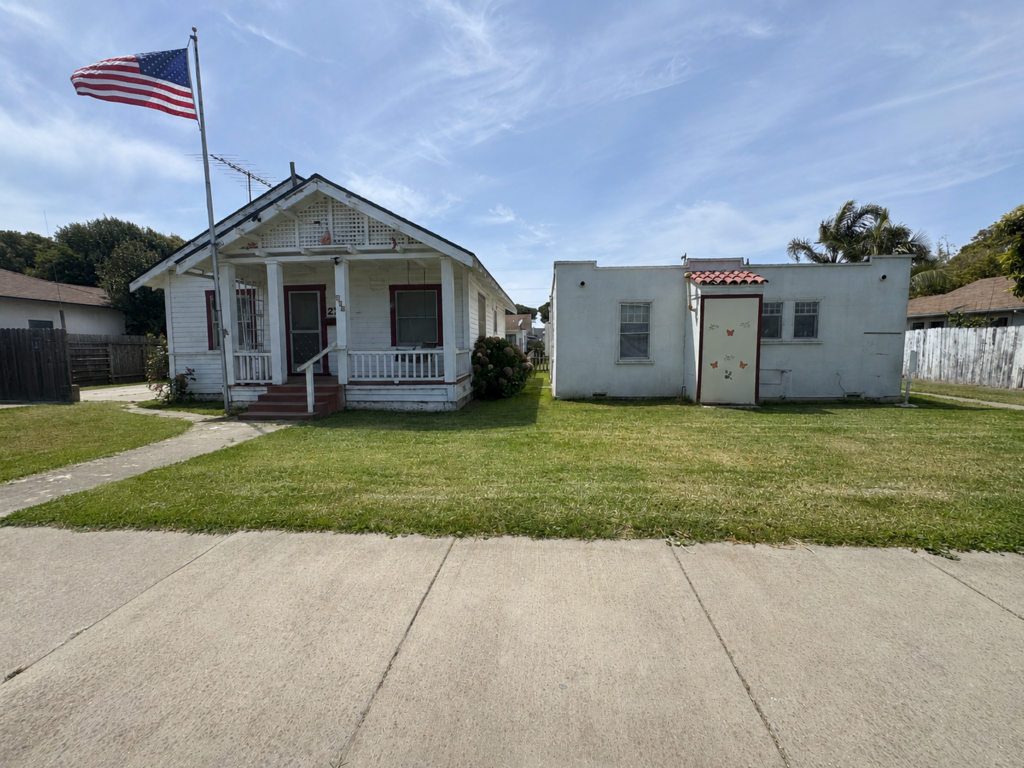
We purchased these inherited properties “As-Is” on the Central Coast.
Inheriting a house sounds like a windfall until you see the condition. Many inherited homes in California date to the 1950s and 1960s, with decades of deferred maintenance, outdated systems, and personal belongings still inside. If the property is in probate, the timeline gets even more complicated — court approval is required before the sale can close, and multiple heirs may need to agree on terms.
Most heirs do not live near the property, do not have the funds to make repairs, and do not want to manage a renovation from across the state or across the country. Selling a house as is to a cash buyer who understands the probate process can save time and money, eliminate family disputes over repair decisions, and get the property off the books without months of carrying costs.
We have purchased dozens of in every condition, including homes with active probate cases, multiple heirs, and properties that sat vacant for years.
Estate sales are among the most common as-is transactions in California. Heirs who inherited property they have never lived in often want a quick sale rather than investing in a home they have no connection to.
Cannot Afford Repairs
When the roof needs replacing, the foundation is cracking, or the plumbing is failing, the repair bill can easily exceed $50,000 to $150,000. Most homeowners in this position do not have the savings to fund a major renovation, and taking out a loan against a distressed property is difficult when the home’s current value may not support the debt.
Listing a property that needs significant work puts sellers in a tough spot: traditional buyers either will not make an offer or will demand steep repair credits after the inspection. The home sits on the market, carrying costs pile up, and every month without a sale makes the financial pressure worse.
Selling as is eliminates the need to spend money you do not have. A cash buyer purchases the property in its current condition and handles the repairs after closing.
For homeowners who cannot afford costly repairs, a traditional sale is rarely an option because most buyers and their lenders require the home to meet minimum condition standards. Selling as-is for cash fast is often the only realistic path to getting more money out of the property than letting it sit vacant and deteriorate.
Tenant-Occupied or Squatter Properties
Selling a house with tenants (or worse, squatters) in place adds legal complexity that most traditional buyers want nothing to do with. California tenant protections under AB 1482 (the Tenant Protection Act) limit rent increases and require just-cause eviction for most properties. Buyers who plan to live in the home may not want to inherit a tenant, and lenders may impose restrictions on financing tenant-occupied properties.
Cash buyers and investors, on the other hand, are accustomed to purchasing properties with tenants in place. Some plan to continue renting the property, while others negotiate tenant relocation as part of their acquisition plan. Either way, the seller avoids the legal and financial burden of trying to vacate the property before closing.
Homes With Liens, Title Issues, or Code Violations & Unpermitted Work
Liens, title clouds, and code violations can make a property nearly impossible to sell through traditional channels. A judgment lien from an old lawsuit, an IRS tax lien, unpermitted work discovered during a buyer’s inspection, or an unresolved title dispute can all derail a conventional sale because lenders will not approve a mortgage on a property with unresolved title issues.
Cash buyers do not rely on lender approval, which means they can close on properties with title complications that would stop a financed deal in its tracks. Liens are typically resolved through escrow from the sale proceeds, and experienced buyers know how to work through title issues that send traditional buyers running.
We regularly purchase homes with unpermitted work or code violations, clearing the issues post-close so the seller does not have to.
Fire, Mold, Foundation, or Major Structural Damage
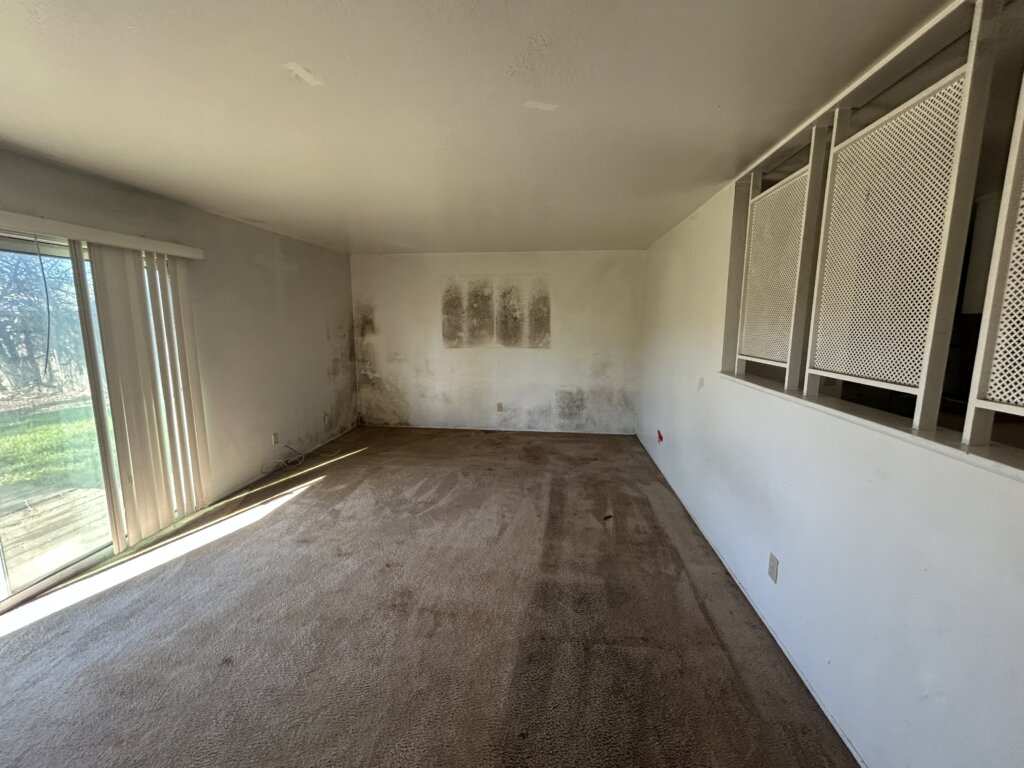
Quick Home Offers bought this moldy home “as-is” in California.
Properties with significant physical damage represent some of the most distressed properties on the market. A home with fire damage, active mold contamination, a failing foundation, or major structural problems will not qualify for conventional financing. This creates a limited buyer pool.
Insurance complications add another layer. Homeowners dealing with a property that has been red-tagged, deemed uninhabitable, or dropped by their insurance carrier often feel like they have no options. Selling as is to a cash buyer who has experience renovating severely damaged properties is often the only realistic path to closing.
We purchased two triplexes as-is in Santa Barbara County, where both properties had failing sewer laterals and major structural issues in 2 of the 4 buildings. One of the units was occupied by a hoarder, and there were mold issues. We handled everything for the seller, gave the tenants cash, and helped them find new places they could afford.
Relocating or Divorcing
Sometimes the urgency to sell has nothing to do with the property’s condition. A job relocation, a military transfer, or a divorce can all create situations where speed matters more than maximizing the sale price. Listing on the open market takes 30 to 90 days or more, and if the home needs work, that timeline stretches further.
In a divorce, both parties typically want the property to sell fast and the proceeds divided as quickly as possible. Fixing up a property to sell during a divorce sounds like a nightmare. Delays caused by staging, showings, inspections, and buyer financing can extend the process by months and keep both parties financially and emotionally tied to a property they want to move on from. A direct cash sale can close in as little as seven days, giving both sides a clean break.
Frequently Asked Questions About Selling a House As Is in California
Can I legally sell a house as is in California?
Yes. In fact, the standard California Association of Realtors purchase agreement already includes an as-is clause stating the buyer accepts the property in its present physical condition. Selling a home as-is is legal and common across the Golden State. The only requirement is that you still complete your disclosure obligations under Civil Code §1102, which means telling the buyer what you know about the property’s condition.
Can I sell my house without making any repairs?
Yes. When you sell a home as is, you are not required to fix anything before closing. However, if you list on the open market, most traditional buyers will still request an inspection and may ask for repair credits or concessions based on the findings. Buyers typically have a right to inspect the property, usually within 17 days, and can cancel the contract based on what the inspection reveals. Traditional lenders, FHA, and VA also have minimum property standards and may refuse to finance a home with significant structural or safety issues, which limits your buyer pool to cash investors. Selling directly to a cash buyer eliminates repair negotiations entirely.
How do I negotiate with buyers on a house that needs repairs?
It depends on who you are negotiating with. With a traditional buyer, expect them to use the home inspection to request repair credits or a price reduction. Have your own repair estimates ready, so you are not relying solely on their contractor’s numbers, which tend to run high. Rather than dropping the price, consider offering a concession like closing cost assistance. This keeps your sale price intact while giving the buyer something tangible.
With a cash buyer or investment company, the negotiation works differently. Cash buyers base their offer on repair costs, holding costs, and what the property will be worth after renovation. The most effective way to negotiate is to get multiple offers and use them against each other. If one company offers $380,000 and another offers $410,000, the first company now has a reason to sharpen its number. Some cash buyers may ask to see a competing written offer before adjusting their price, which is reasonable as long as the offer is legitimate.
Watch out for a common tactic: some cash buyers will give you an inflated offer to lock up the deal, then lower the price right before closing when they know you are committed and running out of time. To protect yourself, always ask for proof of funds up front and require a meaningful earnest money deposit of 1% to 3% of the purchase price, held by a third-party escrow company.
If the contract includes a due diligence or inspection period, make sure it is short enough that you still have time to walk away and pursue other buyers if the offer changes. A 7 to 10 day due diligence period is reasonable for most cash transactions. If a buyer wants 30 or 45 days of due diligence on a cash deal, ask why.
That timeline is more common with financed purchases and can be a sign the buyer plans to renegotiate. Quick Home Offers does not retrade. The offer Adam gives you after evaluating the property is the number on your closing statement.
Do I still have to disclose problems if I sell a property as is?
Yes. California law requires sellers to complete a Transfer Disclosure Statement identifying all known material defects, even in an as-is sale. The as-is clause removes your obligation to make repairs. It does not remove your obligation to be honest about what you know. Failing to disclose can result in a lawsuit for fraudulent concealment after closing.
Should I sell my house as is or fix it up first?
It depends on how much work the property needs, how much cash you have available, and how quickly you need to sell. If the home needs only cosmetic updates and you have the time and budget, making minor improvements before listing can increase your net proceeds. But if the property needs $50,000 or more in repairs, will not qualify for traditional financing, or you cannot afford to carry the home for months while it sits on the market, selling as is is usually the better financial decision. Many sellers who invest in major repairs before listing end up spending more than they recoup in the final sale price.
How much less will I get selling my house as is in California?
The two biggest factors that determine how much an as-is home sells for are the scope of repairs needed and whether the property can qualify for traditional financing. A home needing cosmetic updates like paint, flooring, and outdated fixtures will still attract financed buyers, which keeps the buyer pool competitive and the price gap relatively small. A home with major structural, mechanical, or safety issues usually only attracts cash buyers, and a smaller buyer pool means a lower price.
How repair costs compare to the home’s overall value matters too. A $300,000 home needing $150,000 in work is a very different situation than a $1,000,000 home needing $150,000 in work. The same dollar amount of repairs takes a much bigger percentage off a lower-value property.
The best way to understand what your home is worth in its current condition is to look at what similar properties have sold for in comparable condition. Even better is to get multiple offers and compare the net proceeds, not just the sale price, after all costs are accounted for. In many cases, a fair cash offer nets close to what you would put in your pocket after all the costs of listing the home, holding costs, and other costs are accounted for.
Can I sell my house as is for cash in California?
Yes. If you sell to a cash buyer, you can typically close in 7 to 21 days. If you list with an agent, buyers using financing will generally need 30 to 60 days to close, and they typically have a 17-day inspection contingency period during which they can cancel the contract based on what the inspection reveals. Failed inspections are one of the most common reasons as-is deals fall through on the open market.
What if my house has liens or title problems?
You can still sell. Liens are typically paid from the sale proceeds through escrow at closing. Tax liens, judgment liens, and mechanic’s liens are all resolved this way in most cases. Title issues like unrecorded deeds, boundary disputes, or missing signatures from previous transfers require more work but are not deal-breakers for experienced cash buyers. We regularly close on properties with title complications that would stop a traditional financed sale.
What are the tax implications of selling a house as-is in California?
If the property is your primary residence and you have lived there for at least two of the last five years, you may qualify for the capital gains exclusion under IRS Section 121, which is up to $250,000 for single filers or $500,000 for married couples filing jointly. If the property is an inherited home, the stepped-up basis typically eliminates capital gains on appreciation that occurred before the date of death. Rental properties and investment properties are subject to different tax rules, including depreciation recapture. Always consult your CPA before selling, as the tax consequences can vary significantly depending on your situation.
Are there city or county requirements I should know about when selling as-is in California?
Yes. Many cities across California have point-of-sale or transfer requirements that apply regardless of whether the home is sold as is. These include sewer lateral inspections in Southern California cities like Ventura, Oxnard, and Santa Barbara, pre-sale building inspections in parts of Los Angeles County, and retrofit ordinances for smoke detectors, water heater strapping, and low-flow fixtures in San Diego, Sacramento, Fresno, Bakersfield, and dozens of other cities statewide.
A competent cash buyer will know your city’s requirements and manage the process while giving you a fair offer. If you are listing with an agent, ask your agent about these requirements. If the agent cannot answer or does not know, think about finding another agent who specializes in your location and understands the process. If you sell directly to Quick Home Offers, we handle all point-of-sale compliance after closing.
How do I know if a cash home buyer is legitimate?
Do your due diligence before accepting any offer. A legitimate cash buyer should be able to provide proof of funds, references from past sellers, a physical business address, and a verifiable track record of closed transactions. Check their Google reviews, look them up with the Better Business Bureau, and ask how long they have been buying homes in California. Be cautious of buyers who pressure you to sign quickly, refuse to put their offer in writing, or add unexpected fees at closing. Quick Home Offers has closed over 300 transactions across California since 2013, and our reviews are public on Google.
Can selling as-is help me avoid foreclosure in California?
Yes. If you are behind on mortgage payments and facing foreclosure, a fast sale to a cash buyer can help you avoid the foreclosure process and protect your credit. A cash sale can close in as little as 7 to 14 days, which is often fast enough to satisfy the lender before the foreclosure sale date. In some cases, even if you owe more than the home is worth, a short sale where the lender agrees to accept less than the full balance may be an option. The key is acting early. Once the Notice of Default is recorded, the timeline gets tight. Contact your lender and explore your options before the situation gets worse.
How do I know if I’m getting a fair price for my house or property?
Start by finding comparable home sales on Zillow, Redfin, or other public record sites. Filter for size, lot size, number of rooms, and location. Then adjust for your property’s condition compared to those sold homes by adding or subtracting from their sold values based on what your home needs. This number is not what you put in your pocket after a sale. It is a starting point to compare offers against. Take note of how long those properties took to sell.
From that estimated value, you can calculate your net proceeds, which is the amount you actually walk away with. Subtract the following from your estimated sale price: agent commissions at approximately 5.5%, closing costs at 1.5% to 3%, and repair credits to the buyer at 0% to 5%. Total closing costs typically average 7% to 10% of the sale price.
Next, subtract your holding costs for the time it takes to sell. The average time to sell a home varies by market, but expect 60 to 100 days from list to close if the property is priced fairly. That is two to three months of mortgage payments, property taxes, insurance, and utilities. Finally, subtract your remaining mortgage balance. You can request a payoff demand from your loan servicer to get the exact number.
Once you have your estimated net from a traditional sale, compare it against cash offers. Get at least two or three offers from verified cash buyers. When Quick Home Offers makes you an offer, we do not charge fees. We pay your escrow, title insurance, notary costs, and other standard closing costs.
About the Authors and Quick Home Offers®
Adam Justiniano and his dog, Ozzie
Adam and Josh Justiniano are the founders of Quick Home Offers®, a California statewide cash home buying company operating under J&J Acquisition Partners Inc. Since 2013, they have closed over 300 transactions across the state, purchasing single-family homes, multifamily properties, condos, and land in every condition imaginable — from fully updated homes to fire-damaged, mold-contaminated, and condemned properties.
Josh Justiniano and his wife, Lauren.
Adam handles seller relations and personally evaluates every property before an offer is made. Josh manages marketing, underwriting, and project management for the company’s acquisitions and renovations. Every offer from Quick Home Offers is based on a hands-on evaluation by Adam or Josh — not an algorithm, not an automated valuation model, and not a junior employee reading a script.
If you are considering selling your California property as is and want to understand your options, we are happy to walk you through the process and provide a no-obligation cash offer. There is no pressure, no fees, and no commitment required.
Or enter your number below, and Adam Justiniano will call you back within one business day. We will walk through your options — whether you sell to us or not.
No fees. No obligation. Serving California since 2013.
Enter your number. We’ll walk through your options — whether you sell to us or not. No fees. No obligation. Serving California since 2013.