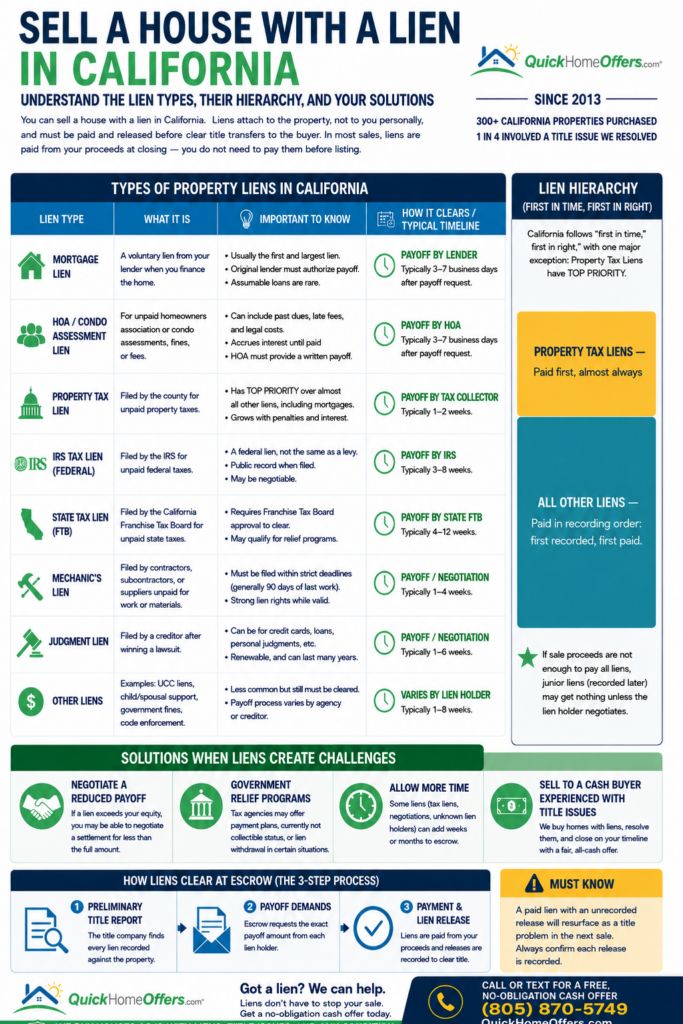
You can sell a house with a lien in California, and in most sales you do not need to pay the lien before listing. A lien is a legal claim recorded against your property to secure an unpaid debt. It must be released before clear title transfers to a buyer. In a standard sale, the title company finds every lien on the preliminary title report. It requests an exact payoff from each lien holder and pays them from your proceeds at closing.
Harder cases take more work but still close. These include a lien larger than your equity, a lien holder that no longer exists, or a required state agency sign-off. Quick Home Offers® has taken on homes with title issues throughout California since 2013. About 1 in 4 of the properties Quick Home Offers® has taken on had a lien beyond the mortgage. We resolve those liens before closing.
How To Sell a House With a Lien in California – Quick Answer
To sell a house with a lien in California, you list or accept an offer as usual. The title company pays the lien from your sale proceeds at closing. You do not need to pay the lien upfront before selling. The title company finds every lien on the preliminary title report and requests a written payoff from each lien holder. Those payoffs come out at the closing table. How long that takes depends on the lien.
A mortgage or HOA payoff comes back in days. A negotiated payoff, a government tax lien, or a missing lien holder can add weeks or months to escrow. That timeline matters because some buyers will not wait.
A well-kept home with strong interest can usually hold a buyer through a slow title process. A home in poor condition with lien problems is harder, because buyers who accept one problem rarely accept both. If your sale price covers the liens and the payoffs come back quickly, the process is routine. If not, options include negotiating a reduced payoff, tax agency relief programs, or selling to a cash buyer experienced with title problems.
300+
transactions closed since 2013
1 in 4
of the properties we have taken on had a lien beyond the mortgage
About 1 in 10
of the properties we have taken on had a code violation
Source: Quick Home Offers® transaction records, 2013 to September 2026
How Liens Actually Clear at Escrow
Liens clear at escrow in three steps. The preliminary title report identifies them, escrow requests payoff demands, and each lien is paid from your proceeds and released at closing. You sign a payoff authorization once, and escrow handles the contact with each lien holder from there. Here is what each step looks like from the seller’s side of the escrow process.
The Preliminary Title Report
Within the first few days to a week of opening escrow, the title company orders a preliminary title report. The report comes from a search of county records. It lists every recorded lien on the property, including ones you forgot or never knew existed.
For many California homeowners, this is the first time an old judgment, an unpaid contractor bill, or a decades old recorded claim resurfaces. Liens attach to the property, not to you personally as the property owner, so a claim recorded decades ago stays on title until it is formally released. Reviewing this report early is the single most important step in the process, because every surprise it contains costs more time the later it is found.
Payoff Demands and How Long They Take
For each lien on the report, escrow sends a payoff demand, a formal request for the exact amount needed to release it. The payoff is often higher than the original lien once interest and fees are added. Turnaround varies widely by lien holder.
A mortgage payoff or HOA payoff typically comes back within about a week. Government agencies move slower, and a state or federal tax lien payoff can take several weeks. The slowest situations are negotiated payoffs, where the lien exceeds your equity and the lien holder must agree to accept less, and liens where no one is left to answer the demand at all. We cover both of those situations later in this guide.
Payment and the Lien Release
At closing, each payoff amount is deducted from your sale proceeds on the settlement statement, alongside your standard closing costs. The lien holder then issues a lien release document, which gets recorded with the county recorder’s office to clear the claim from title. Confirm that every release is actually recorded. A paid lien with an unrecorded release will resurface as a title problem in the next sale, so recheck the property records once escrow tells you the releases went out.
Types of Property Liens in California and How Each One Clears
California property liens fall into two categories. Voluntary liens are ones you agreed to, like the mortgage lien your mortgage lender recorded when you bought the home. Involuntary liens are recorded against you for unpaid bills, unpaid taxes, delinquent assessments, or court judgments.
The lien type decides who you deal with, whether the payoff is negotiable, and how long the release takes. Identifying every lien on title is the first real step in the sale.
Priority also matters. California follows a first in time, first in right system, meaning liens are generally paid in the order they were recorded, with one major exception: property tax liens take priority over most other liens, including your mortgage. When sale proceeds are tight, a junior lien recorded last may get nothing unless the lien holder negotiates, which is covered later in this guide.
Lien Type
Who Records It
Voluntary?
Negotiable?
Typical Release Timeline
Mortgage lien
Your mortgage lender
Voluntary
No
Days
Property tax lien
County tax collector
Involuntary
Rarely
1 to 2 weeks
State tax lien (FTB)
Franchise Tax Board
Involuntary
Sometimes
Several weeks
Federal tax lien (IRS)
Internal Revenue Service
Involuntary
Sometimes
Weeks to months
Judgment lien
Court judgment creditor
Involuntary
Often
Days to weeks
Mechanics lien
Unpaid contractor
Involuntary
Often
Days to weeks
HOA lien
Homeowners association
Involuntary
Sometimes
Days to 1 week
Child support lien
DCSS or county agency
Involuntary
Rarely
Several weeks
Code enforcement lien
City or county
Involuntary
Sometimes
Weeks
Medi-Cal estate claim
DHCS
Involuntary
Sometimes
Weeks to months
PACE / HERO lien
Program administrator
Voluntary
Sometimes
Weeks
Swipe left to see the full table →
The sections below walk through how each of these liens exists on title, what the payoff process looks like, and where the traps are. If your preliminary title report shows other liens not listed here, the same escrow payoff process generally applies.
Liens on Your Title? We Buy Houses With Every Lien on This List
Enter your number. We’ll walk through your options — whether you sell to us or not. No fees. No obligation. Serving California since 2013.
Judgment Liens in California
A judgment lien is recorded against your property after a creditor wins a court ruling over an unpaid debt. The creditor records an abstract of judgment with the county recorder. Credit card lawsuits, unpaid medical bills, business disputes, and old civil cases are the usual sources.
Under California Code of Civil Procedure section 697.310, a judgment lien lasts 10 years from the date the judgment was entered, and the creditor can renew it before it expires. That renewal is what surprises sellers most.
Does California’s Homestead Exemption Protect My Equity From a Judgment Lien?
California’s homestead exemption shields a large share of the equity in your primary residence from judgment creditors. Under California Code of Civil Procedure section 704.730, the exemption is the greater of $300,000 or the county’s prior-year median single-family sale price. It is capped at $600,000, and both figures have adjusted upward for inflation every January since 2022. In most high-price California counties, the protection sits at the adjusted cap.
The homestead exemption limits what a judgment creditor can collect from a forced sale of your home. It does not remove the recorded abstract of judgment from your title. In a voluntary sale, the title company will still list the judgment on the preliminary title report and still needs it resolved before closing, through a payoff, a negotiated release, or, when the equity is tight, an attorney using the exemption as leverage on your behalf.
The exemption’s leverage in a payoff negotiation is where it earns its keep for a seller. A creditor who knows the law protects most of your equity has a strong reason to accept a discounted payoff rather than fight for money it cannot legally reach. The exemption applies to money judgment liens only, not to your mortgage, property tax liens, or HOA assessments. If a judgment lien is the reason your sale numbers do not work, a California real estate attorney can tell you exactly how much equity the exemption shields before you commit to anything.
Why a Judgment You Forgot About Is Still on Title
A judgment from 15 or 20 years ago can still be an active claim if the creditor renewed it. Even an expired judgment lien often stays in the records until a release is filed. Many sellers assume a debt that fell off their credit report is gone.
Credit reporting and county property records are separate systems, so a judgment that no longer appears on your credit report can still be one of the outstanding liens the preliminary title report turns up. If the lawsuit was settled years ago, escrow still needs the recorded release, not your word that it was handled.
How Judgment Liens Clear at Sale
If the judgment is valid and your equity covers it, escrow requests a payoff demand and the lien is paid from proceeds like any other. The payoff is usually higher than the original judgment because of interest on the unpaid amount. Interest accrues at 10% per year for most California judgments, or 5% for newer consumer judgments. Newer consumer judgments are personal debt judgments under $50,000 and medical debt judgments under $200,000 entered or renewed since 2023.
The difference adds up: a $20,000 judgment from 2016 accruing at 10 percent can demand well over $30,000 at closing. That is why the payoff figure so often lands higher than sellers expect.
When Judgment Liens Can Be Negotiated
Judgment liens are among the most negotiable liens in a California home sale, especially older ones. A creditor holding an aging judgment often prefers a certain partial payment now over renewing and waiting. Collection firms that bought the debt for pennies on the dollar have real room to move. Negotiation matters most when the numbers are tight, and we cover how those conversations work in the section on selling when liens exceed your equity.
Mechanics Liens in California
A mechanics lien is recorded by a contractor, subcontractor, or material supplier who claims they were not paid for work on your property. Under California law, most claimants must serve a 20-day preliminary notice near the start of the work to keep their lien rights. They must then record the lien within strict deadlines after the project ends.
Mechanics liens move fast in both directions: they are recorded quickly, and they expire quickly, which is exactly why some of them can be cleared without paying a dime.
The 90 Day Rule That Works in Your Favor
A recorded mechanics lien is only enforceable if the claimant files a foreclosure lawsuit within 90 days of recording it. If that deadline passes with no lawsuit, the lien is no longer enforceable, but it does not remove itself from title.
An expired mechanics lien sits in the county records looking like an active claim until someone forces the issue. If your preliminary title report shows an old mechanics lien from work done years ago, there is a real chance you are looking at a stale lien that can be released by a written demand to the claimant, or by a court petition if the claimant ignores the demand or cannot be found. Sellers pay stale mechanics liens at closing more often than they should, simply because no one checked the date.
When the Dispute Is Real
A fresh mechanics lien over disputed work is a different situation. If you believe the work was defective or the billing is wrong, paying the full demand at closing rewards the dispute against you. Fighting it, though, can stall your sale past what a buyer will tolerate. California allows the property owner to record a release bond, which substitutes the bond for the property as security.
The lien comes off title, your sale closes, and the contractor pursues the bond while the dispute plays out on its own track. For contested liens of real size, a real estate attorney earns their attorney fees here, because the bond route and the demand letter both have procedural requirements that are easy to fumble.
How Mechanics Liens Clear at Sale
A valid, current mechanics lien clears like any other: payoff demand, deduction from proceeds, recorded release. Because mechanics liens often trace to a billing dispute rather than a fixed debt, they are also among the more negotiable liens. That is especially true when the claimant would rather take a settled number at closing than fund a foreclosure lawsuit.
HOA Liens in California
An HOA lien is recorded by your homeowners association for delinquent assessments, late fees, interest, and collection costs. HOA liens in California are governed by the Davis-Stirling Act, which sets strict notice rules before an association can record. The Act also gives the HOA a power most sellers underestimate: the right to foreclose on its own, without your mortgage lender being involved.
Why Small HOA Debts Are More Dangerous Than They Look
Once delinquent assessments reach $1,800 or are more than 12 months past due, a California HOA can pursue foreclosure independently. A homeowner current on a $4,000 monthly mortgage can still face a foreclosure notice over a few thousand dollars in unpaid dues. If you are selling partly because HOA debt has been piling up, find out where that balance stands before you list. An HOA that has already started foreclosure proceedings changes your timeline in ways a routine escrow payoff does not.
How HOA Liens Clear at Sale
The mechanics are the fastest of any involuntary lien. Escrow sends an HOA payoff demand to the association or its management company. HOA management companies typically return a payoff figure within days, since processing these demands is routine work for them.
The payoff will include the delinquent assessments plus late fees, interest, and collection costs, which often inflate the number well past the missed dues themselves. Those add-on charges are the negotiable part: associations sometimes trim collection fees to close the file, especially when a board would rather see a delinquent account resolved than litigated.
Child Support and Spousal Support Liens in California
A child support lien is recorded against your property when support payments fall behind. The California Department of Child Support Services (DCSS) records it, or the receiving parent records an abstract of support judgment. Support liens work differently from every other lien type, because the lien holder is a government enforcement agency. California treats the debt they secure as effectively permanent. Very few selling guides cover them, but they show up on preliminary title reports across the state, and mishandling one can stall an escrow for weeks.
Why Child Support Liens Do Not Negotiate Like Other Liens
A judgment creditor can accept less to close a file. DCSS mostly cannot. Support arrears in California accrue 10 percent interest, do not expire the way civil judgment liens do, and cannot be discharged in bankruptcy. The negotiation room that exists with an aging credit card judgment simply is not there when the state is collecting on behalf of a parent.
What DCSS can do is process a payoff through escrow like any other lien holder, and in some cases work with a seller on how arrears are satisfied when sale proceeds fall short, but expect a process with rules, not a bargaining table.
How Child Support Liens Clear at Sale
Escrow requests a payoff demand from DCSS or the county child support agency, and this is where the timeline stretches. Agency payoff demands routinely take several weeks, and the figure must account for accrued interest. Any release also has to move through a government workflow before it can be recorded.
If your preliminary title report shows a support lien, get the payoff demand started the day escrow opens, not when closing is scheduled. Sellers with a support lien and a financed buyer on a tight contingency clock are the ones who lose sales to this timeline. A cash sale with a flexible close is often the practical route, not because the lien clears differently, but because the buyer can wait for the agency when a lender-driven timeline cannot.
Alimony Liens Work the Same Way, With One Difference
Spousal support arrears, sometimes called alimony liens, follow the same pattern as child support liens. The arrears accrue 10 percent interest, the lien clears through a payoff at closing, and the debt survives bankruptcy. The one practical difference is who holds the claim.
When a county agency is enforcing combined support, expect the same rules-not-bargaining process described above. When the lien is your former spouse holding a recorded support judgment directly, the payoff is between the two of you, and former spouses sometimes agree to compromise arrears at closing in ways a government agency never would. If your support lien traces to a divorce, check which situation you are in before assuming the payoff number is fixed.
Tax Liens in a California Home Sale
Tax liens deserve their own guide, and we wrote one. Property tax liens, Franchise Tax Board liens, and IRS federal tax liens can all be paid from your sale proceeds at closing. One difference matters: property tax liens outrank nearly everything on title, including your mortgage, so they are paid first.
Beyond that, tax liens run on agency timelines and relief programs that the other lien types in this guide do not have. For what happens if a tax lien goes unpaid, how each agency’s process works, and your options for selling with one, see our full guide to tax liens in California. If a tax lien is your main obstacle, start there.
Medi-Cal Estate Recovery Claims When Selling an Inherited Home
A Medi-Cal estate recovery claim is a demand by the California Department of Health Care Services for repayment of certain Medi-Cal benefits. It applies after the person who received them has died.
A Medi-Cal estate recovery claim shows up when you sell an inherited home, and it surprises heirs twice. Often no one told them it existed, and many assume it is broader than it legally is. If you inherited the house you are selling, this section and our guide to selling an inherited house both apply to you.
The Claim Is Narrower Than Most Heirs Fear
California narrowed estate recovery sharply for deaths on or after January 1, 2017. The state can now only recover from estates that go through probate. It can recover only for certain services received at age 55 or older. Those are mainly nursing facility care, home and community based services, and related hospital and prescription drug benefits. A home that passes outside probate is generally not subject to recovery at all. That includes a home passing through a living trust, joint tenancy, or a transfer on death deed.
There is no claim at all when the person is survived by a spouse or registered domestic partner, by a child under 21, or by a blind or disabled child of any age. Hardship waivers also exist, including one for homes of modest value, meaning a home worth half or less of the average home price in its county.
Many heirs walk away from a sale, or accept a bad number, because they assumed a claim applied when it did not. Before treating a Medi-Cal claim as fact, confirm the death date, how title passed, and who survives, and check whether DHCS has actually filed anything.
How a Valid Claim Clears at Sale
A valid Medi-Cal claim functions at closing like other government liens. Escrow or the estate’s representative requests a payoff figure from DHCS, and the claim is paid from sale proceeds. Expect agency speed, meaning weeks rather than days, and start the request early.
Estates in probate must also notify DHCS of the death. As a result, the claim often surfaces during the probate process itself rather than on the preliminary title report. If you are juggling probate, a DHCS claim, and a property that needs work, that is a stack of problems we see regularly in inherited purchases, and it is solvable in one escrow with the right sequencing.
Code Enforcement Liens in California
A code enforcement lien is recorded by a city or county after fines and fees from unresolved property violations go unpaid. It usually starts small, with a notice about junk, debris, overgrowth, or unsafe conditions. Re-inspection fees and daily fines follow and accumulate into a recorded lien. Sometimes the city adds its abatement costs when its crews did the cleanup themselves.
Code enforcement liens are the exception to most rules about clearing liens at closing. The lien is tied to an open enforcement case, not just a debt.
Why These Liens Do Not Clear Like Other Liens
With a judgment or HOA lien, escrow pulls a payoff figure, pays it, and records a release. A code enforcement lien often cannot work that way. In many jurisdictions, the city will not release the lien until the underlying violation is actually corrected, not just paid.
While the case stays open, fines can keep accruing, which means there may be no final payoff number to demand. You are not paying off a fixed debt. You are settling an open case with a government agency that measures success in compliance, and the file moves at the speed of that agency, not at the speed of your escrow.
Selling Subject to the Lien
The practical path is often to sell with the lien still in place. The buyer takes the property subject to the lien, along with the responsibility for correcting the violation. For that to close, the title company must be willing to write the title policy with an exception for the code enforcement lien. It then insures the title around it.
Some title companies will do this and some will not. If this is your situation, ask early whether your title company will insure with an exception for the enforcement lien. The few buyers willing to purchase this way are almost always cash buyers who fix violation properties as part of their normal work, because a financed buyer’s lender will rarely accept the open lien.
Quick Home Offers® Case Study: An Escrow Holdback on a Bakersfield Code Enforcement Lien
Quick Home Offers® bought a multifamily property in Bakersfield with an active code enforcement case and over $12,000 in accumulated fines. Because the case was still open, no one could say exactly what the final number would be. Escrow held back about $15,000 from the purchase funds until the true amount was known. We took on correcting the violations after closing.
The part sellers should understand from that purchase is the pace. Once the city is involved, the repair work itself runs on the city’s schedule, with inspections and sign-offs at each step, and even the closing can slow down because everyone is working at the speed of the jurisdiction handling the case. A code enforcement lien is solvable, but it is the one lien in this guide where the government’s timeline, not escrow’s, sets the calendar.
Fines Accruing? We Buy Properties With Open Code Cases
Enter your number. We’ll walk through your options — whether you sell to us or not. No fees. No obligation. Serving California since 2013.
…they gave me $3000 before we even closed…
They gave me an offer within about a day and closed on the date of my choice. They gave me $3000 before we even closed to help move my brother-in-law out of the house. They offered to help them move out as well. These are two nice young men who delivered on their promise and closed on the date I chose.
What If the Lien Holder No Longer Exists?
Some liens outlive the companies that recorded them. Examples are a bail bond company that closed decades ago, a lender lost in bank mergers, or a contractor who closed shop in the 1990s. The lien each one recorded still sits on title. No one is left to receive a payoff demand, negotiate, or sign a release.
A missing lien holder is where standard selling advice, including the steps at the top of this guide, stops working. Escrow cannot pay a lien holder that does not exist, and a title company will not close around a recorded claim just because the debt behind it is obviously ancient.
A Lien Can Be Legally Dead and Still Block Your Sale
Most sellers fall into the same trap. They learn the lien is decades old, assume the debt expired, and expect the problem to take care of itself. They are often half right. The underlying debt may well be unenforceable, and in some cases the lien itself lapsed as a legal matter years ago.
But title does not clear itself. The county records still show the claim, and the title company needs a recorded release, a court order, or a legal basis it is willing to insure over before it will issue a clean policy. A lien can be dead as a debt and very much alive as a cloud on title. Those are two different problems, and only the second one blocks your sale.
The Formal Path: From Detective Work to a Quiet Title Action
The correct way to remove a lien with no lien holder runs in sequence, and most cases resolve before the end of it.
Step one is detective work in the lien records: who recorded the claim, when, and under what entity name.
Step two follows that entity through corporate records to find out whether it dissolved, merged, or has a successor that inherited its claims. If a successor exists, a release gets negotiated and recorded, and the sale proceeds normally.
Step three, when the trail goes cold, is presenting the evidence to the title company, which may agree to insure over a provably dead claim, often with an indemnity, letting the sale close without a formal release.
The final step is a quiet title action, a lawsuit under California Code of Civil Procedure section 760.010 asking a judge to declare the lien unenforceable and order it off title. Quiet title reaches liens nothing else can, because the law allows you to name the defunct entity, any successors, and all unknown claimants, but it is attorney work measured in months, which usually means resolving the lien before going to market rather than during an escrow. At every step, this is a process an experienced real estate attorney should be driving.
The Less Favorable Options: Selling Without Clearing the Lien
If the formal path stalls or the timeline will not allow it, there is a fallback. It is worth knowing about, mostly so you can weigh it realistically. Under rare and specific circumstances, a buyer might purchase subject to the existing lien, taking title with the claim still recorded. Rarer still, a buyer might close without title insurance entirely.
Almost no buyer will actually do either. No lender will fund a purchase without title insurance, so any buyer in this category is paying cash, and even most cash buyers will not take on a clouded title.
The few who would will price the offer well below what the home would otherwise bring, because they are absorbing the risk and the legal cleanup you are handing them. For nearly every seller, the formal path above produces a better outcome, and the real question is just which step of it your situation resolves at.
Quick Home Offers® Case Study: The 40 Year Old Liens on 1st Street, Bakersfield
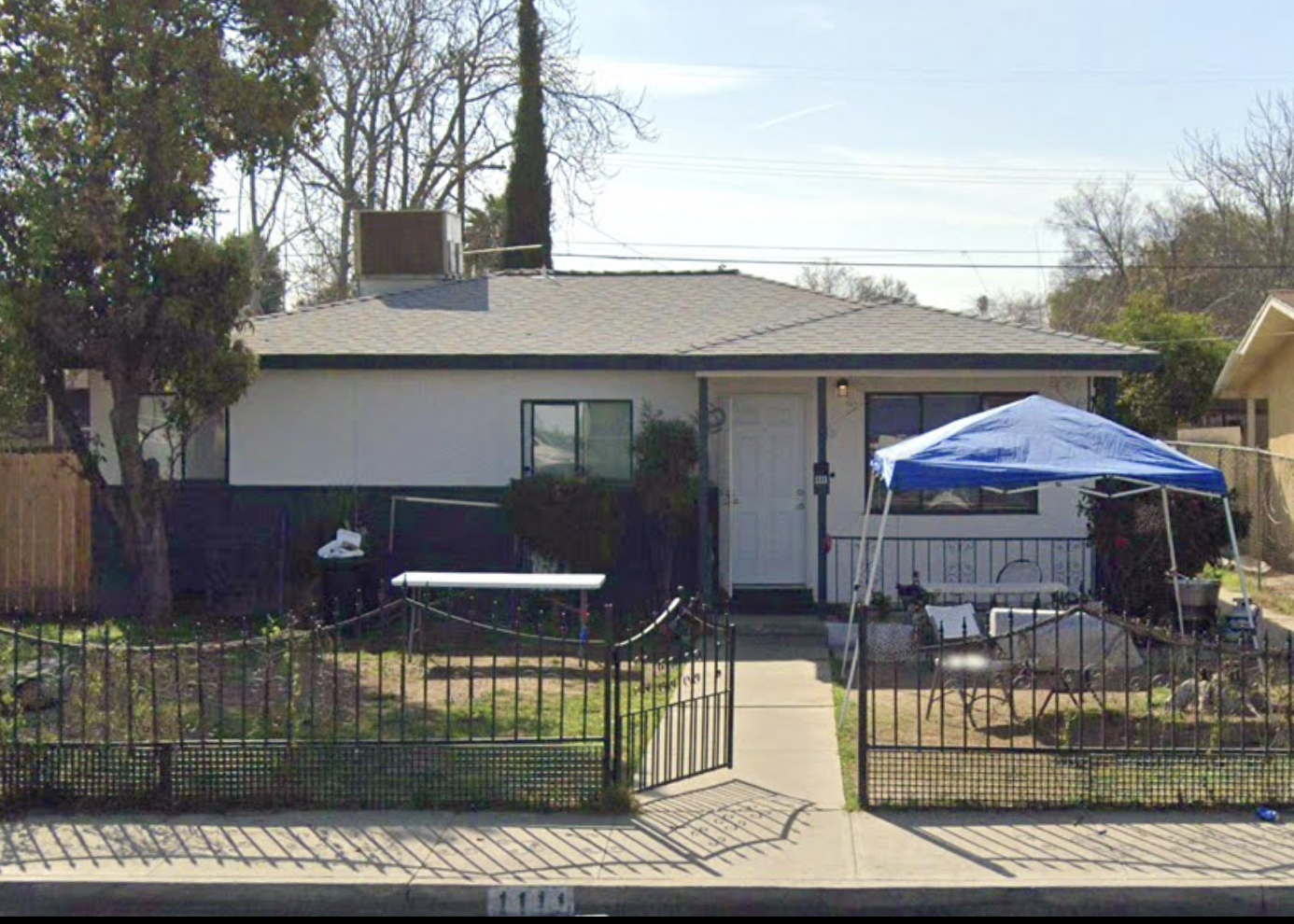
Quick Home Offers® bought a house on 1st Street in Bakersfield with a defunct lien holder on title. The preliminary title report showed multiple recorded liens from a bail bond company, and the most recent of them was roughly 40 years old. The seller had not known they existed. The debts behind them were ancient history. And the bail bond company itself was long gone, with no office, no phone number, no successor entity anyone could point to, and no one on earth authorized to sign a release.
A defunct lien holder is exactly the situation where a typical sale falls apart. A financed buyer’s lender would have walked at the title report. Most cash buyers would have walked too, or come back with a number that priced the seller’s problem as if it were unsolvable. The liens were almost certainly unenforceable as debts, but as recorded claims they still clouded title, and the title company needed more than common sense to close.
Our attorneys ran the process described above. They started in the county lien records, confirmed exactly what had been recorded and by whom, then traced the defunct company to establish that no one remained with any claim to enforce. Tracking everything down took about three to four weeks of steady work, most of it the unglamorous kind: pulling records, documenting the trail, and building the evidence the title company needed. The liens came off, title cleared, and the sale closed. The seller, who had a vacant property and a title problem she had no way to solve on her own, got her sale.
Two things from that purchase are worth carrying out of this guide. First, the timeline: even with attorneys who do this regularly, a defunct lien holder added weeks to the process, which is why starting the title work early matters so much. Second, the economics: the seller did not pay for any of that legal work. Resolving the title problem was our cost, built into how we buy.
Selling a title-problem house to a buyer who clears titles for a living spares you clearing it yourself before listing.
…they gave me $3000 before we even closed…
They gave me an offer within about a day and closed on the date of my choice. They gave me $3000 before we even closed to help move my brother-in-law out of the house. They offered to help them move out as well. These are two nice young men who delivered on their promise and closed on the date I chose.
Old Liens? We’ve Cleared Worse
Enter your number. We’ll walk through your options — whether you sell to us or not. No fees. No obligation. Serving California since 2013.
When Liens Exceed Your Equity
The hardest version of a lien sale is when the math does not work. The mortgage payoff plus the liens add up to more than the home will sell for. Sellers in this spot often assume they are stuck in the house until the debt shrinks or the market rises. Usually they are not.
Liens that exceed your equity get resolved through negotiation, because a sale that pays a lien holder something today is often worth more to them than a claim against a property that is not selling.
Why Lien Holders Take Less
A lien is only worth what it can actually collect, and lien holders know it. A junior lien recorded behind a large mortgage collects nothing in a foreclosure. Liens are paid in recording order, and the mortgage eats the proceeds first. A judgment creditor holding an aging claim faces renewal deadlines, collection costs, and the real chance of collecting zero if they wait.
Collection firms that bought old debt for pennies on the dollar have enormous room between what they paid and what a payoff at closing hands them. None of this means every lien holder negotiates, and the government liens covered earlier mostly do not, but private lien holders reduce payoffs at closing far more often than sellers expect, especially when the alternative is watching the sale, and their only realistic payday, fall through.
How the Negotiation Actually Works
The mechanics run through escrow and, when the numbers are tight, through an attorney. Each lien holder gets a payoff demand along with the reality of the situation. Here is the sale price, here is what senior claims take first, and here is what remains for you. That remainder is the most this sale can produce.
Junior lien holders are asked for a reduced payoff or a partial release in exchange for a defined payment at closing. The order matters, because an agreement with one lien holder can depend on what the others accept. An experienced negotiator works the whole stack, not one claim at a time.
Get the conversations started before the property goes to market. A seller who knows what every lien holder will accept can price the home realistically, while a seller who discovers the shortfall mid escrow is negotiating under a deadline with a buyer already waiting.
When the Numbers Still Do Not Work
If negotiations cannot close the gap, two options remain: a short sale, or holding the property until the math changes. In a short sale, your mortgage lender agrees to accept less than its full payoff, and junior lien holders are negotiated within the lender’s process.
A short sale is slow, lender driven, and not guaranteed, but it exists precisely for homes worth less than what is owed against them. Before assuming you are in that territory, get the actual payoff numbers. Between accrued interest, negotiable fees, and lien holders willing to take less, the real gap is frequently smaller than the recorded amounts suggest, and sales that looked impossible on the preliminary title report close every month in California.
Which Sales Path Should You Take? It Depends on These Three Questions
If you think you have a lien, pull a preliminary title report before listing. Any local title company can do this, or you can call us and we will reach out to our title company for you, no obligation. A lien by itself may not mean you need to take a cash offer.
Ask yourself three questions:
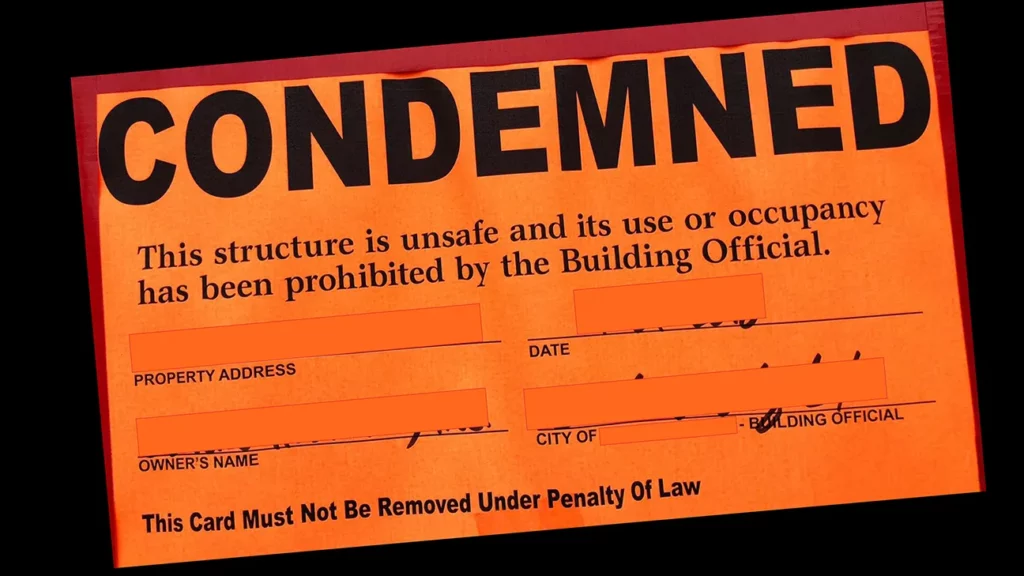
One: will the lien take a long time to remove, like a defunct creditor, an old bail bond lien, or a code violation or condemnation case?
Two: do you need to sell quickly?
Three: does the house need work?
If you answered yes to at least two of the three, a cash buyer could be your best route. If you answered yes to none, list with an agent like anyone else.
Your Answers
Best Path
Why
Yes to none
List with an agent
Pull the prelim report, clear the lien through escrow, and sell like anyone else
Yes to one
Usually still an agent, with preparation
Start title work before listing so the lien does not outlast a financed buyer’s rate lock. If the one yes is repairs, compare an as-is listing against cash offers and run the numbers
Yes to two or three
Cash buyer
A slow lien, a deadline, and needed repairs compound each other. A buyer who resolves title, skips repairs, and closes on your schedule removes all three at once
Frequently Asked Questions About Selling A House With A Lien In California
Can you sell a house with a lien on it in California?
Yes. California law does not prevent selling a house with a lien. Most liens are paid from your sale proceeds at closing through escrow, so nothing comes out of pocket before the sale. The exceptions are liens with no reachable lien holder, liens exceeding your equity, and code enforcement liens tied to open violation cases, each of which takes extra work but can still close.
How do I remove a property lien in California?
To remove a property lien in California, obtain a payoff demand from the lien holder and pay the amount owed. Then record the signed lien release with the county recorder. In a home sale, the title company handles all three steps through escrow using your sale proceeds. If the lien is invalid, expired, or the lien holder no longer exists, removal runs through negotiation, title company review, or a quiet title action.
How do I find out if my house has liens on it?
Order a preliminary title report from a local title company, which searches county records and lists every recorded lien against the property. You can also search property records at your county recorder’s office yourself, though the title report is more thorough. Pull the report before listing, because clearing liens ahead of time is what keeps a sale from stalling in escrow.
Do liens expire in California?
Some do, but they rarely remove themselves. A California judgment lien lasts 10 years and can be renewed. A mechanics lien becomes unenforceable if no foreclosure lawsuit is filed within 90 days of recording. Even an expired lien stays visible in county records until a release is recorded, so an old lien can still cloud title and delay a sale long after the debt itself died.
Do I have to pay off liens before selling my house?
No. In nearly every California sale, liens are paid at closing out of your sale proceeds, not before. Escrow requests a payoff demand from each lien holder, deducts the payoffs on the settlement statement, and records the releases. Paying a lien before selling is only worth considering when it is small, disputed, or slowing down a sale you need to close quickly.
What happens if my liens add up to more than my house is worth?
When liens exceed your equity, the sale usually still happens through negotiation. Junior lien holders often accept reduced payoffs at closing because their alternative in a foreclosure is nothing. If negotiation cannot close the gap, a short sale through your mortgage lender is the remaining path. Get actual payoff numbers before assuming the worst, because accrued fees and negotiable claims often shrink the real gap.
How long does it take to clear a lien when selling?
A mortgage or HOA payoff typically comes back within a week. Government liens, including state and federal tax liens and child support and spousal support liens, routinely take several weeks. A lien holder who no longer exists can take weeks of attorney-led records work, and a quiet title action takes months. Starting title work before listing is the single best way to keep lien timelines from killing a sale.
Can I sell a house with a code enforcement lien?
Yes, but differently than other liens. Many California jurisdictions will not release a code enforcement lien until the underlying violation is corrected, not just paid. Fines can keep accruing while the case stays open. Selling usually means either curing the violation first or selling to a cash buyer. That buyer takes the property subject to the lien and resolves the violation after closing.
Will Quick Home Offers® buy a house with liens on it?
Yes. About 1 in 4 of the properties Quick Home Offers® has taken on since 2013 had a lien beyond the mortgage. These include judgment liens, code enforcement liens, and liens from companies that no longer exist. Our attorneys resolve the title work as part of the purchase, at our cost, and the offer accounts for the property as it stands. Call or text (805) 870-5749 to talk through your situation.
Who You’ll Be Talking To
Adam Justiniano
Adam Justiniano co-founded Quick Home Offers® in 2013. He has handled seller conversations on more than 300 California transactions, including dozens involving liens, title problems, and open enforcement cases. When you call, Adam is who calls you back and walks through your title situation. He tells you honestly whether a cash sale makes sense or whether you are better off listing with an agent.
Josh Justiniano, co-founder, runs the underwriting side: evaluating the property, the lien stack, and the cost to resolve it, which is how the company can make firm offers on homes other buyers walk away from. On lien purchases, the attorneys who clear title work at our cost, not yours. Quick Home Offers® is based in Ventura County and buys houses, condos, multifamily properties, and land throughout California. Every offer is personally evaluated by Adam or Josh, not generated by an algorithm.
Talk It Through With Adam — No Fees, No Obligation