

Made my nightmare go away… thanks, Adam
“Sold my, home to Adam, he did a lot for us… he even bought the home with some squatters…made my nightmare go away… thanks Adam”

You can sell your Los Angeles County property as-is for cash, even if it needs work, has tenants in place, or came through an inheritance. We buy houses, condos, multifamily, and land countywide, cover the closing costs, and let you pick the closing date. Receive a competitive cash offer within 1 day.
We’ve been serving Los Angeles County since 2013 with over 300+ transactions statewide.

To sell your house as-is in Los Angeles County, you request a cash offer from a cash buyer company. Then you review it with no obligation and pick your closing date. The buyer takes the property in its current condition, so there are no repairs to make, no agent commissions, and no cleanout before you leave. Quick Home Offers® buys houses, condos, multifamily buildings, and land throughout LA County on these terms and covers the closing costs. Once the sale is agreed, closing can happen in as little as 7 days.
How you sell here depends on the property, though. Rent-stabilized tenants, LADBS orders, probate through LA Superior Court, unpermitted garage conversions, and seismic retrofit mandates each change the steps a sale has to follow, and they are why a house that would move easily elsewhere can stall in Los Angeles County. This page breaks down each situation in turn: what the county actually requires, and the legal way through it. Whether you inherited a home you cannot keep up, own a rental you are ready to step away from, or hold a property the city has flagged, you will see exactly how the sale works before you decide.
Quick Home Offers® is a California cash home buyer that has closed more than 300 transactions across the state since 2013. We are BBB Accredited with an A+ rating, and we are owner-operated by brothers Adam and Josh Justiniano. We buy houses, condos, multifamily buildings, and land from Los Angeles County homeowners in as-is condition. There are no repairs, no commissions, and no closing costs on your side.
When you reach out, you speak with Adam directly, not a call center or a lead-routing service. Adam or Josh personally reviews every property and every offer, the same way we have run every purchase since 2013.
As a California company based in the Thousand Oaks area, we know how Los Angeles County property actually trades, from a rent-stabilized fourplex to an inherited home the city has red tagged. Our track record and our reviews reflect it.



Los Angeles County homeowners generally have three ways to sell. They can list with a real estate agent, sell it themselves (FSBO), or sell directly to a cash buyer like Quick Home Offers®. The right path comes down to your timeline, the condition of the property, and how much certainty you need. Here is how all three compare.
| List with an agent | Sell it yourself (FSBO) | Sell to Quick Home Offers® | |
|---|---|---|---|
| Timeline | 45 to 90+ days | Varies, often longer | As little as 7 days |
| Repairs | Often required to sell | Often required to sell | None, we buy as-is |
| Commissions | 5 to 6% of the price | 0%, but it is your time | $0 |
| Closing costs | You pay | You pay | We cover them |
| Showings | Ongoing | Ongoing | None |
| Sale price | Highest if it sells and appraises | You set it, results vary | A fair cash price for its current condition |
| Certainty | Financing can fall through | Low | Certain once the offer is accepted |
Swipe to compare all three options →
The honest version: if your Los Angeles County home is in good shape, you can wait 60 to 90 days, and you do not mind showings and repairs, listing with an agent usually nets the most money after costs. A cash sale trades some of that top-end price for speed, certainty, and a close with no repairs, no fees, and no cleanout. It wins when the property needs work, carries tenants or title problems, or simply has to be done on a set date.
Listing on the open market is the right move for a lot of Los Angeles homeowners. If your house shows well, a good pricing strategy and a few open houses can draw multiple buyers. Competing offers are how sellers reach top dollar at full market value.
That path assumes a few things, though. It assumes the home can pass an appraisal and an inspection, that you can carry it while it sits among the active listings, and that you can absorb repair requests from potential buyers after the inspection comes back. Homes that need real work rarely draw multiple offers, and the ones they do draw usually arrive with financing contingencies attached.
A cash sale trades top-of-market pricing for certainty. That does not automatically mean listing puts more in your pocket. On a house that needs significant work, you often pay a commission to an agent who finds a buyer like Quick Home Offers® anyway. That commission is money that could have stayed with you.
When you contact cash buyers like Quick Home Offers®, you get a no obligation offer on the house as is, without listing it. For a distressed house, an inherited property, or a rental you are done managing, that certainty is usually worth more than fixing the property up and hoping to net more on the market.
National iBuyer companies are a fourth path, but they mostly buy homes already in market-ready condition and pass on anything that needs real work or carries tenant or title complications. Those are the properties we focus on.
Your cash offer starts with the after-repair value of your property, what it would be worth fully repaired and sold on the open market. It then accounts for the repairs it needs, the costs of holding and reselling it, and our margin. We build that number from recent comparable sales near you. We walk you through every part of it so you can see how we got there. There is no obligation to accept.
Four things go into the figure: the after-repair value based on comparable homes, a realistic repair estimate for the work the property needs, the holding and closing costs we take on while we own and resell it, and the margin that lets us stay in business and buy the next home. A property in strong condition needs little repair budget, so more of its value carries into the offer; one that needs significant work carries a larger repair line. Either way the math is the same, and we show it to you.
Selling to us is meant to be straightforward, especially when the house needs work or the situation is complicated. You tell us about the property, we make a cash offer, and you pick the closing date — no listing, no repairs, no cleanout, and no fees or commissions. If listing will net you more money, we will tell you directly.
Call or Text
Call or text Adam directly at (805) 870-5749, or fill out the form on this page. It goes straight to his cell.
Property Review
We ask about the condition, any known issues, and your timeline. Photos help but aren’t required.
Cash Offer
We review recent sales nearby and make an offer. When it helps, we confirm the condition in person so the offer is accurate. No obligation, ever.
Close
You pick the date. We handle the paperwork and pay both sides of escrow. Close in as few as 7 days. Leave behind anything you don’t want.
Ready to sell? Tell us about your Los Angeles property and we will send you a fair cash offer with no obligation to accept. Most offers go out within one business day.
Two ways to start: fill out the form on this page, or call or text Adam directly at (805) 870-5749. You speak with an owner, not a call center.
Quick Home Offers® has closed more than 300 California transactions since 2013 and buys throughout Los Angeles County, from the San Fernando Valley to Santa Clarita, Long Beach, and the Antelope Valley.
"*" indicates required fields
Quick Home Offers® buys distressed properties across Los Angeles County in as-is condition: single family homes, condos, multifamily buildings, and land. Los Angeles homeowners come to us with inherited houses, rental property they are done managing, and homes the city has flagged. Below is how each situation actually works in Los Angeles County, and how to sell fast in each one.
Every situation on this page shares the same path: you request a no obligation cash offer, we review the Los Angeles property, and you pick the closing date. There are no realtor fees, no hidden fees, and no service fee taken out of your proceeds.
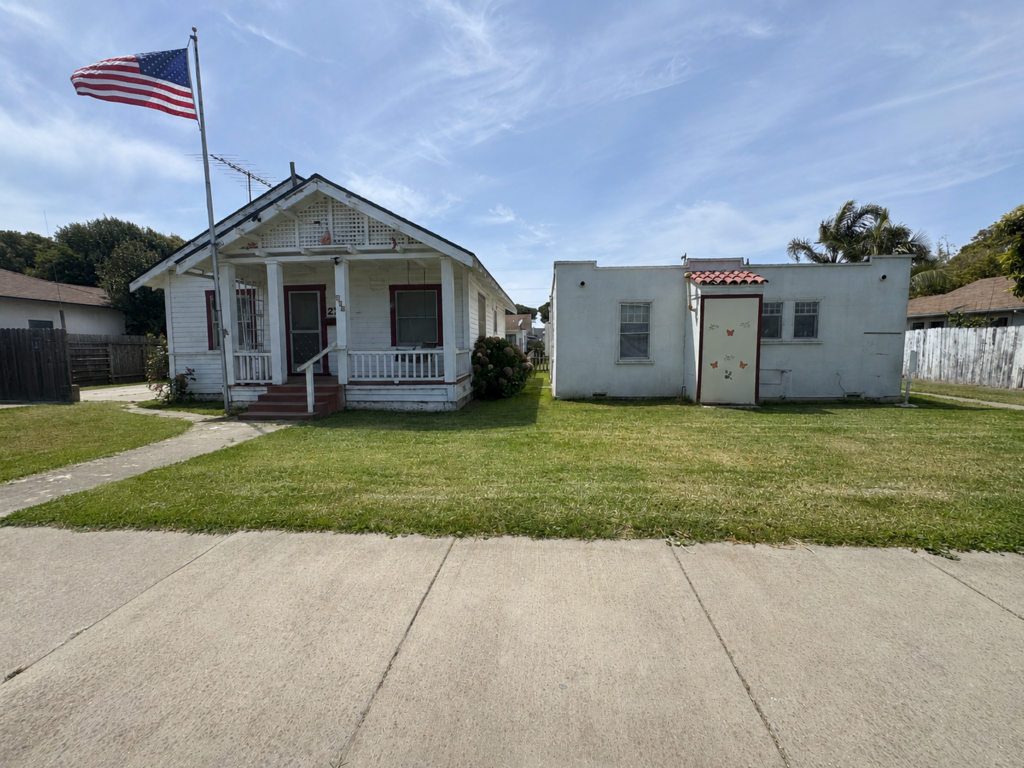
You can usually sell an inherited Los Angeles home before the estate closes, but the sale runs through the LA Superior Court Probate Division first. Our guide to selling an inherited house covers the statewide basics. Here is the Los Angeles County process.
Los Angeles County decedent-estate probate is filed downtown at the Stanley Mosk Courthouse, no matter where in the county the person lived. Antelope Valley cases go to the Lancaster courthouse instead. Most cases require electronic filing.
Before hearings, a court probate examiner posts online notes listing defects that must be cured. An unanswered note pushes your hearing to a later date, which is a major reason Los Angeles County cases commonly run a year or more.
Yes. With full authority under the Independent Administration of Estates Act (Probate Code sections 10400 to 10592), the estate can sell without a court confirmation hearing. It must first send a Notice of Proposed Action to the heirs with a 15-day objection window.
Under full authority the sale is not tied to the 90 percent of appraised value rule and is not subject to courtroom overbidding. A cash sale can close while the case is still open. With limited authority, the sale still needs court confirmation. Statutory representative and attorney fees under Probate Code section 10800 and section 10810 are one more reason not to let it drag.
Many inherited Los Angeles County homes belong to heirs living in another state or country. You cannot easily inspect the house, clear out decades of belongings, or manage repairs from a distance. The property may also still have a tenant in it.
Quick Home Offers® buys inherited houses, condos, and land throughout Los Angeles County as-is. That includes homes still in probate and homes with an occupant in place. We coordinate with the estate and escrow through the Notice of Proposed Action process. For heirs at a distance, that is often the cleanest way to turn an inherited Los Angeles property into cash without another year of court dates.
You can sell a tenant-occupied rental property in Los Angeles, but the city’s tenant protection rules control how. You usually cannot empty a building just because you want to sell it, so the cleanest path is often selling with the tenants in place.
Most older Los Angeles rentals fall under the Rent Stabilization Ordinance (RSO). It covers City of Los Angeles properties with two or more units and a Certificate of Occupancy issued on or before October 1, 1978.
Newer buildings and single family homes usually fall under the city’s Just Cause Ordinance or the statewide Tenant Protection Act (AB 1482) instead. Some form of just-cause protection reaches nearly every rental in the city. Other Los Angeles County cities and the unincorporated county set their own rules.
Ending a tenancy under the RSO requires one of fourteen just-cause grounds at Los Angeles Municipal Code section 151.09. Wanting to sell or deliver the unit vacant is not one of them.
The lawful no-fault grounds each require relocation assistance in amounts the Los Angeles Housing Department sets and adjusts annually. A buyer who expects the building empty at closing is asking for something Los Angeles law will not let you simply do. That is why those buyers walk and the property sits.
The Ellis Act is the one mechanism that lets an owner exit the rental business. The Act sits at Government Code sections 7060 to 7060.7 and is implemented locally at Municipal Code sections 151.22 to 151.28. It withdraws the entire building, not a single unit.
It requires a Notice of Intent to Withdraw filed with LAHD, plus relocation assistance. Tenants get 120 days of notice, or a full year for tenants 62 or older or disabled who have lived there at least a year.
The re-rental restrictions are then recorded against the property. A buyer takes the building subject to them, and re-renting inside the restricted window re-controls the rent and can revive displaced tenants’ right to return for up to ten years.
A change of ownership does not end a tenancy or reset its RSO protections. The buyer steps into your position as landlord and takes the building subject to the existing leases and rents.
Quick Home Offers® buys tenant-occupied houses, duplexes, and multifamily buildings across Los Angeles County as-is, with the tenants in place. You skip the Ellis withdrawal, the relocation payments, and the just-cause eviction. For an owner out of state or simply done being a landlord, that turns a legally tangled situation into a straightforward cash close.
If your Los Angeles building is under a mandatory soft-story retrofit order you cannot afford, you can sell it as-is instead of funding the work. The obligation stays with the building, so a buyer who takes it on can close while the order is still open. Our guide on what to do when you cannot afford home repairs covers your statewide options.
Under Ordinance 183893, the LADBS Soft-Story Retrofit Program requires older wood-frame buildings to be seismically retrofitted. Covered buildings typically have two or more stories, ground-floor parking or other open-front walls, and permits issued before January 1, 1978.
The city sent Orders to Comply in 2016 and 2017, and compliance deadlines have now passed for most affected buildings. Owners who have not retrofitted are in active LADBS enforcement, not facing a distant future date. A retrofit commonly runs into the tens of thousands of dollars, and on a rent-stabilized building only a limited share can be passed through to tenants.
You are not required to finish the retrofit before you sell. California law requires you to disclose the outstanding order, and the obligation transfers with the property.
If you do nothing, unpaid non-compliance fees can become a recorded lien against the property, which only deepens the hole. Quick Home Offers® buys soft-story and other retrofit-flagged buildings throughout Los Angeles County as-is, takes on the mandate, and closes on your timeline.
You can sell a Los Angeles home with open code violations or unpermitted work, as long as you disclose what you know. From there you have two honest paths. You can legalize the work with a retroactive permit, or make an as-is sale to a cash buyer who takes the problem on. Our guide covers selling a California house with code violations or unpermitted work statewide.
Buyers, appraisers, and real estate professionals routinely pull a property’s permit history from LADBS records before an offer or a loan closes. Unpermitted garage conversions, additions, and ADUs are common across Los Angeles and tend to surface during the selling process.
California’s Transfer Disclosure Statement requires you to disclose any known unpermitted alterations. Unpermitted square footage can cause conventional, FHA, or VA buyer financing to fall apart. If you legalize the work, LADBS charges an investigation fee that Municipal Code section 98.0402 sets at double the normal permit fee, on top of plan check and corrections.
Miss the compliance date on an Order to Comply by 15 days and LADBS can impose a non-compliance fee under Municipal Code section 98.0411. Unpaid fees and abatement costs are then recorded as a lien against the property. The current owner is responsible even when a previous owner or tenant created the violation.
Legalizing means submitting as-built plans for a retroactive permit, passing plan check and inspections, and often opening walls to fix what does not meet code. That can run into the tens of thousands and take months.
For an unpermitted ADU built before January 1, 2020, California offers a smoother path. It bars the city from denying a legalization permit on ordinary building-standard grounds, as long as the unit can be made safe. If you would rather skip repairs entirely, Quick Home Offers® buys Los Angeles County homes with open violations and unpermitted work as-is, so the permits, fees, and recorded orders become our problem.
You can sell a condemned or red-tagged house in Los Angeles as-is, without lifting the order or making repairs first. What follows the property to closing is the paperwork the city attached to it. Our guide explains selling a condemned house in California statewide.
A red tag in Los Angeles is an Order to Vacate. LADBS posts an UNSAFE placard near the entrance, occupancy is barred, and the Certificate of Occupancy is voided until the building is repaired and cleared.
A red tag is not a demolition order. Many red-tagged buildings can be repaired or sold as-is rather than torn down. “Condemned” is the everyday word for a building LADBS has determined to be substandard, hazardous, or a nuisance and ordered either repaired or demolished.
When LADBS serves an abatement order, it records a certificate with the Los Angeles County Recorder stating the building is hazardous, substandard, or a nuisance. As a result, the order appears in any title search. Let the compliance deadline pass and the city’s non-compliance fees and abatement costs become recorded liens on top of it.
You can still sell with the order open, as long as you disclose it and any recorded certificate on the Transfer Disclosure Statement. Quick Home Offers® buys condemned and red-tagged houses throughout Los Angeles County as-is, clears the recorded liens through escrow, and closes on your date, so you are not the one funding repairs the city is demanding.
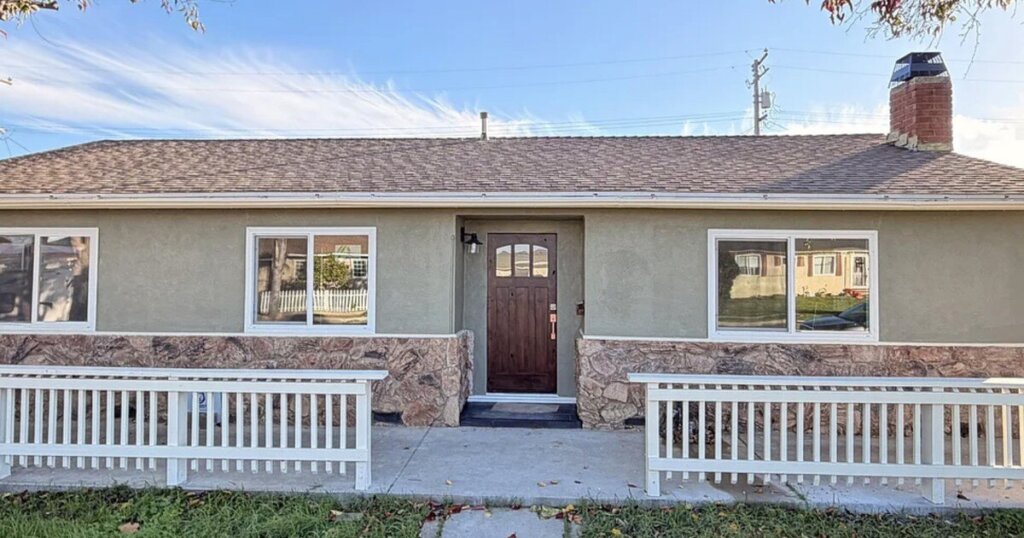
You can sell a fire-damaged house or a cleared lot in Los Angeles County as-is. California law requires you to disclose the fire and what it affected, not to repair anything first. A cash buyer takes the property in its current condition. Our guide covers selling a fire-damaged house in California in full.
Before a fire-damaged structure comes down in Los Angeles County, an asbestos survey is required. The county sits in the South Coast Air Quality Management District. The district treats a fire-damaged residential structure as a regulated facility and requires the survey regardless of the building’s age.
Health and Safety Code section 19827.5 separately bars any city or county from issuing a demolition permit without one of two things. It needs asbestos notification or a written declaration that notification does not apply. That survey, plus demolition and hauling, is what a cash buyer prices into an as-is offer so you do not have to arrange or fund it.
Inside a declared wildfire disaster area, the state and county debris removal program can clear the lot at no direct cost. You must file a Right-of-Entry form before the county’s deadline, and enrolling does not commit you to rebuilding.
Two tax provisions matter as well. Revenue and Taxation Code section 170 can reduce your assessment from the date of damage. Separately, section 69 lets an owner who rebuilds or buys a replacement within five years carry a low Proposition 13 basis forward. That relief follows the owner and is lost if you sell the lot, so if your basis is low and a disaster was declared, weigh that five-year window carefully. We will tell you plainly when holding to rebuild may net you more.
Otherwise, Quick Home Offers® buys fire-damaged homes and cleared lots across Los Angeles County as-is, handles the demolition, asbestos survey, and debris, and settles an open insurance claim through escrow so it does not stall the sale.
If you are behind on your mortgage in Los Angeles County, you can sell the house any time before the trustee’s sale. You pay off the loan from the proceeds and keep whatever equity is left. Our guide covers selling a house in foreclosure in California in detail.
California uses nonjudicial foreclosure under Civil Code section 2924. The clock starts when your lender records a Notice of Default, runs at least three months to a recorded Notice of Trustee’s Sale, then at least 21 days to the sale itself, so first notice to auction is often around four months.
Until that sale happens, the Los Angeles property is still yours to sell. Given Los Angeles home values, timing is the whole game: selling before the auction is usually the difference between walking away with your equity and losing it. Quick Home Offers® buys houses in default throughout Los Angeles County as-is, closes fast enough to beat a trustee’s sale date, and coordinates the loan payoff directly through escrow.
You can sell a Los Angeles house with squatters or unwanted occupants without removing them first. A cash buyer can take the property occupied and handle the removal. That is usually faster and cheaper for you than fighting it out before the sale. Our guide explains how to sell your house with squatters statewide.
In California you cannot remove an occupant yourself. Changing the locks, shutting off utilities, or moving belongings is illegal self-help under Civil Code section 789.3. Once someone has been in the property roughly 30 days, police typically treat it as a civil matter and decline to remove them.
At that point the only lawful path is an unlawful detainer filed in Los Angeles Superior Court. If the occupant can show any rental relationship, even one a previous owner created, the court may treat them as a tenant, and inside the City of Los Angeles that can pull in just-cause protections. What you are calling a squatter may legally be a tenant.
Because a change of ownership does not end someone’s right to possession, you do not have to clear the property to sell it. An unlawful detainer through the Los Angeles court commonly takes a month or two, longer if contested or the calendar is backed up. That is time and legal cost you can hand off instead.
Quick Home Offers® buys occupied houses across Los Angeles County as-is and takes on the removal, so the occupant becomes our problem to resolve, not yours. California law does require you to disclose a known squatter situation to the buyer, which we handle in the purchase agreement.
Quick Home Offers® buys houses, condos, multifamily buildings, and land throughout Los Angeles County. We are trusted cash buyers across the entire county, from the coast to the Antelope Valley, and we pay cash for property in any condition.
City of Los Angeles
San Gabriel Valley
Santa Clarita and Antelope Valley
South Bay and Gateway Cities
Westside and Glendale Area
Property Types We Buy
If your Los Angeles property is not listed above, we still want to hear from you. We buy houses countywide, including unincorporated Los Angeles County, and every offer is reviewed personally by Adam or Josh Justiniano.
Yes. Selling as-is means the buyer accepts the property in its current condition, so you skip repairs, cleaning, and cleanout entirely. Cash buyers purchase homes in any condition, including distressed properties, fire damage, code violations, and homes that need a full renovation.
Selling as-is does not excuse you from disclosing known material defects. California still requires a Transfer Disclosure Statement on most residential sales. It also requires a Natural Hazard Disclosure that identifies local risks such as fire, flood, and earthquake zones. If your Los Angeles property carries an open LADBS order or a recorded certificate, that gets disclosed too.
Usually, yes. Most buyers order some form of inspection even on an as-is sale. We may walk the property to confirm its condition so the offer is accurate. The difference is that we are inspecting to price the work, not to send you a list of repair requests before closing.
Once you accept the offer, closing can happen in as little as 7 days. Listing on the multiple listing service with a real estate agent typically takes 45 to 90 days or longer in Los Angeles County. Repair and appraisal time comes on top of that. A cash sale removes buyer financing, appraisal delays, and the risk of a deal falling apart late.
No. There are no realtor fees, no service fee, and no hidden fees deducted from your proceeds, and we cover the closing costs. The number in your no obligation cash offer is what the sale is built around.
Yes. A change of ownership does not end a tenancy, so you do not have to remove anyone before selling. We buy tenant-occupied rental property throughout Los Angeles County with tenants in place. That matters in a city where the Rent Stabilization Ordinance limits how a tenancy can legally end.
Quick Home Offers® starts with what the property would be worth fully repaired. Then we subtract the cost of the repairs it needs, the holding and resale costs we take on, and our margin. We build the number from recent comparable sales near your Los Angeles home and walk you through every part of it. It is a fair cash offer for the property’s current condition, with no obligation to accept.
Yes. We buy inherited homes still moving through LA Superior Court probate, and properties carrying tax liens, code enforcement liens, or recorded abatement orders. Those balances are typically paid from the sale proceeds at closing through escrow rather than out of your pocket.
When you contact us and submit the short property information form, we’ll give you a fair all-cash offer on your house within 24 hours… and the best part is: we can close whenever YOU choose to close – it’s entirely up to you.
It doesn’t matter what condition the house is in, or even if there are tenants in there that you can’t get rid of… don’t worry about it. We’ll take care of it for you. And if you need the cash quickly, we can close in as little as 7 days because we buy houses with cash and don’t have to rely on traditional bank financing.
"*" indicates required fields
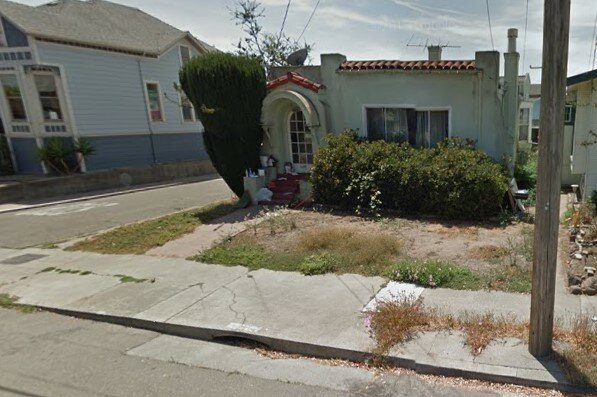
What do you think we did well: Everything!!! From the moment we were in contact with Adam things went smooth, quick and very professional. Tell us about your situation and how we helped: Adam was compassionate, and was very sensitive to our situation. This house was looked at, sold, and went through escrow in 2 weeks!! All around was just a wonderful experience. Made a very difficult time in my families life a little easier. – Brandy of Alameda, CA